

Dussehra: Shami puja, Aparajita puja and the first purchase of the season
What Vijayadashami asks of a household: the afternoon Aparajita puja, the shami leaves, honouring the tools of your trade, and why it is the day to begin things.
Dussehra, 20 Oct, Tuesday · in 5 days6 min readReviewed 24 September 2026
Dussehra, or Vijayadashami, falls on Tuesday 20 October 2026, the day after Navratri ends. It marks Rama's victory over Ravana in the north and the Devi's victory over Mahishasura in the east. At home it is a light day: the Navratri kalash is given visarjan in the morning, and the afternoon holds a short puja for victory and for the tools of one's work.
It is also the year's most auspicious day for beginnings. Children are traditionally started on letters, businesses open new account books, and the first purchase of the festive season, whether a vehicle, gold or a new utensil, is made today. No muhurat is needed; the whole day is considered one.
When
- The Aparajita puja is done in the Aparahna (afternoon) period, roughly the hour and a half after midday. The panchang gives the exact window; in most Indian cities it falls between about 1.30 pm and 3 pm.
- Ayudha puja and the honouring of tools can be done any time in the day.
- Ravan Dahan in the evening is a public event, not a household one.
What to keep ready
Dussehra: Shami puja, Aparajita puja and the first purchase of the season · shiwalay.com/journal/dussehra-vijayadashami-puja
- Shami leaves · A few sprigsFrom a shami (khejri) tree; if none is near, aparajita flowers or a tulsi sprig are used
- Aparajita flowersBlue butterfly-pea; any blue or white flower substitutes
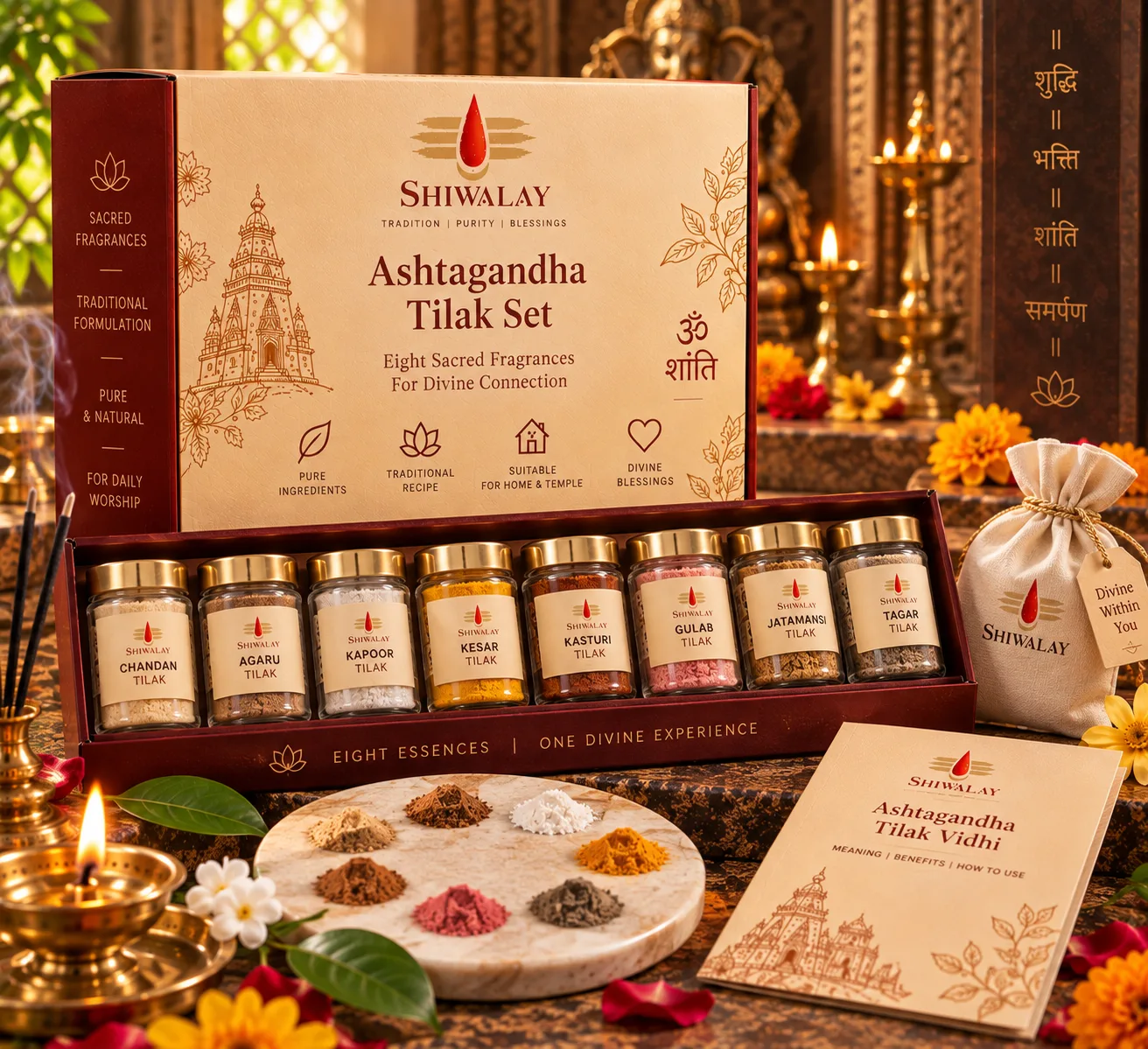
- Kumkum, haldi, akshat, chandanAshtagandha Tilak Set →
- Diya and gheeBrass Diya →
- AgarbattiMysore Sandalwood Agarbatti →
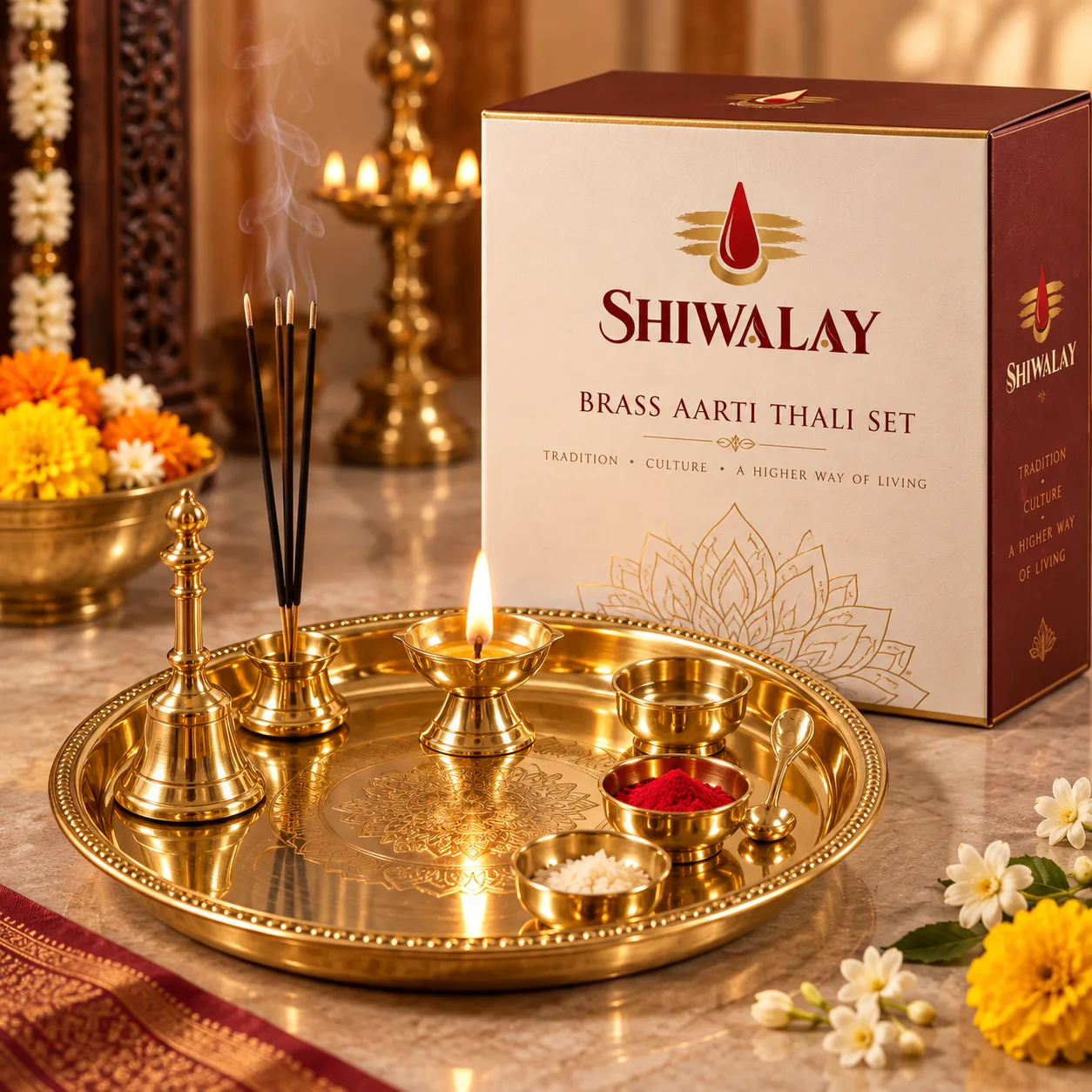
- Aarti thaliBrass Aarti Thali Set →
- SweetsJalebi and fafda in the west; any sweet elsewhere
- A clean cloth for the toolsFor Ayudha puja
- A new notebook or penIf a child is beginning letters (Vidyarambham)
Morning: close Navratri
Do the final Navratri puja, cut the barley sprouts and share them, and give the kalash water to a plant. The Devi is thanked and asked to return. Only then does the day's own observance begin.
Afternoon: Aparajita puja
- 1
Set the space
In the north-east of the home or courtyard, draw a small eight-petalled lotus with rice flour or kumkum. Place a few shami leaves and aparajita flowers at its centre.
- 2
Invoke
Light the diya. Invite Devi Aparajita, the undefeated one, with folded hands, and ask that the year's work be carried through without obstruction. Those who know it recite the Aparajita stotra; otherwise a simple prayer in your own words.
- 3
Offer
Kumkum, akshat, flowers, a sweet. A short aarti.
- 4
Exchange shami
Give a shami leaf to each family member and to neighbours; it is exchanged as gold is, with a wish for the year. Keep a leaf in the purse or cash box until next Dussehra.
Ayudha puja: the tools of your trade
In the south and increasingly everywhere, the instruments a family earns with are cleaned, set on a cloth, and honoured: a laptop, a sewing machine, a car, a cricket bat, kitchen knives. Apply tilak, place a flower, light a diya, and give thanks. Nothing is used for work for the rest of the day.
Vehicles get a garland, a tilak on the bonnet, and a lemon under each front wheel that is crushed as the car moves forward. It is a blessing on the machine and a reminder to drive with care.
Vidyarambham and beginnings
Children who are two to four are traditionally introduced to letters today. A parent or teacher guides the child's finger to write the first letter, or the sacred syllable, in a plate of rice. It takes a minute and is remembered for a lifetime.
Any new undertaking is begun today without consulting a muhurat: signing a lease, starting a course, opening a shop, placing the first order of the season. It is the reason Dussehra is the first big buying day of the festive quarter.
What usually goes wrong
- Doing the Aparajita puja in the morning out of habit; it belongs to the afternoon window.
- Skipping the Navratri visarjan because the day feels busy. Close the nine days properly first.
- Buying because the day is auspicious rather than because the thing is needed. The day blesses a purchase; it does not require one.
Quick answers
Why is Dussehra considered auspicious for buying and beginning things?
Vijayadashami is counted among the three and a half days of the year (with Akshaya Tritiya, Gudi Padwa and half of Diwali's Bali Pratipada) that are auspicious throughout, with no muhurat needed. Beginnings made today are believed to be carried through to completion, as the Pandavas' return from exile and Rama's victory were.
What is the significance of shami leaves on Dussehra?
The Pandavas hid their weapons in a shami tree during the year in disguise and recovered them on this day. In the Ramayana tradition, Rama worshipped the shami before the battle. Exchanging its leaves is a wish for strength and prosperity, and the leaf kept in the cash box stands for the tree's guardianship over the year.
Can Ayudha puja be done for a laptop or a phone?
Yes. The point of Ayudha puja is gratitude towards whatever you work with. A laptop, a phone, a camera, or a stethoscope is exactly what it means today.
Is fasting required on Dussehra?
No. Those who fasted through Navratri break the fast on Navami or on this morning. Dussehra itself is a day of eating together, with jalebi in many homes.
Written by the Shiwalay desk from the Puranic sources and living household practice. Customs differ by region and family; where yours differs, follow yours. Nothing here promises an outcome.
Shop the guide
What this puja needs
Ashtagandha Tilak Set
Ashtagandha, kumkum and gopichandan, 30 g each, brass tray
Blended in Mysore
Brass Diya
Solid cast brass diya, 7 cm across, 120 g
Made in Moradabad, Uttar Pradesh