

Ekadashi vrat: the rules, the puja, and how to break the fast on Dwadashi
What Ekadashi is, what can and cannot be eaten, the Vishnu puja for the day, the night vigil, and the parana that closes it, with the dates that matter this season.
Dev Uthani Ekadashi & Tulsi Vivah, 20 Nov, Friday · in 36 days8 min readReviewed 24 September 2026
Ekadashi is the eleventh day of each half of the lunar month, so it comes twice a month, twenty-four times a year. It is the day for Vishnu, kept by a fast from grains and beans, a puja in the morning, and a parana, the breaking of the fast, at a fixed time on the next day, Dwadashi. Of all Hindu vrats it is the one most people keep most regularly, and the one with the clearest rules.
This season's Ekadashis include Dev Uthani (Prabodhini) Ekadashi on Friday 20 November 2026, when Vishnu wakes from his four-month sleep and the wedding season opens, with Tulsi Vivah on the same or the following day. The daily WhatsApp panchang names each Ekadashi as it comes.
When
- The fast runs from sunrise on Ekadashi to the parana window on Dwadashi morning. Strict observers begin the evening before, after a single meal.
- The puja is done in the morning after bathing; the evening has a second short aarti and, for those who keep it, a jaagran (vigil) with kirtan.
- Parana on Dwadashi must be done after sunrise and before the Dwadashi tithi ends; the panchang gives a window of an hour or two, usually between about 6.30 and 9 am. Breaking the fast outside it is considered to undo the vrat.
What to keep ready
Ekadashi vrat: the rules, the puja, and how to break the fast on Dwadashi · shiwalay.com/journal/ekadashi-vrat-vidhi
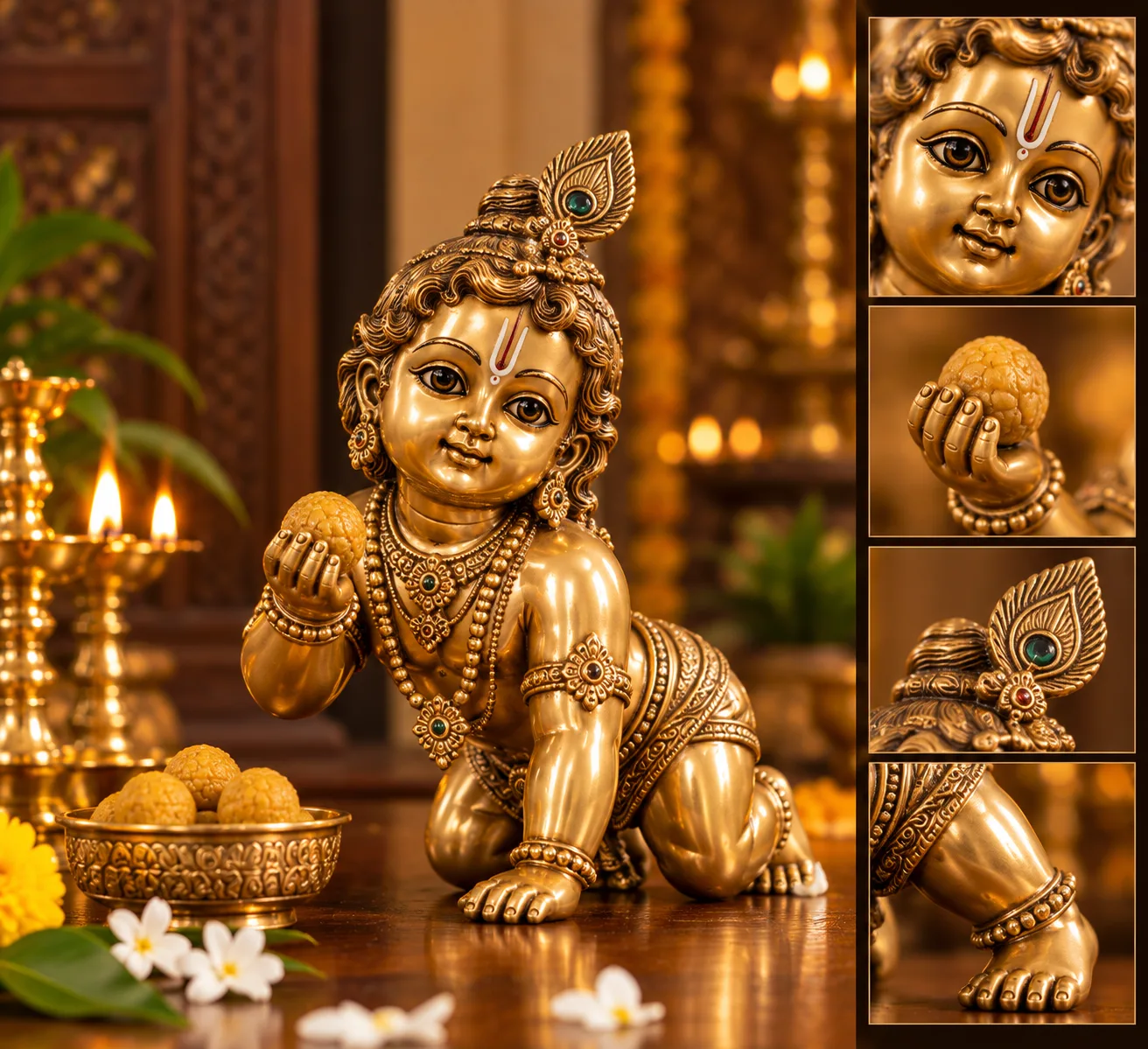
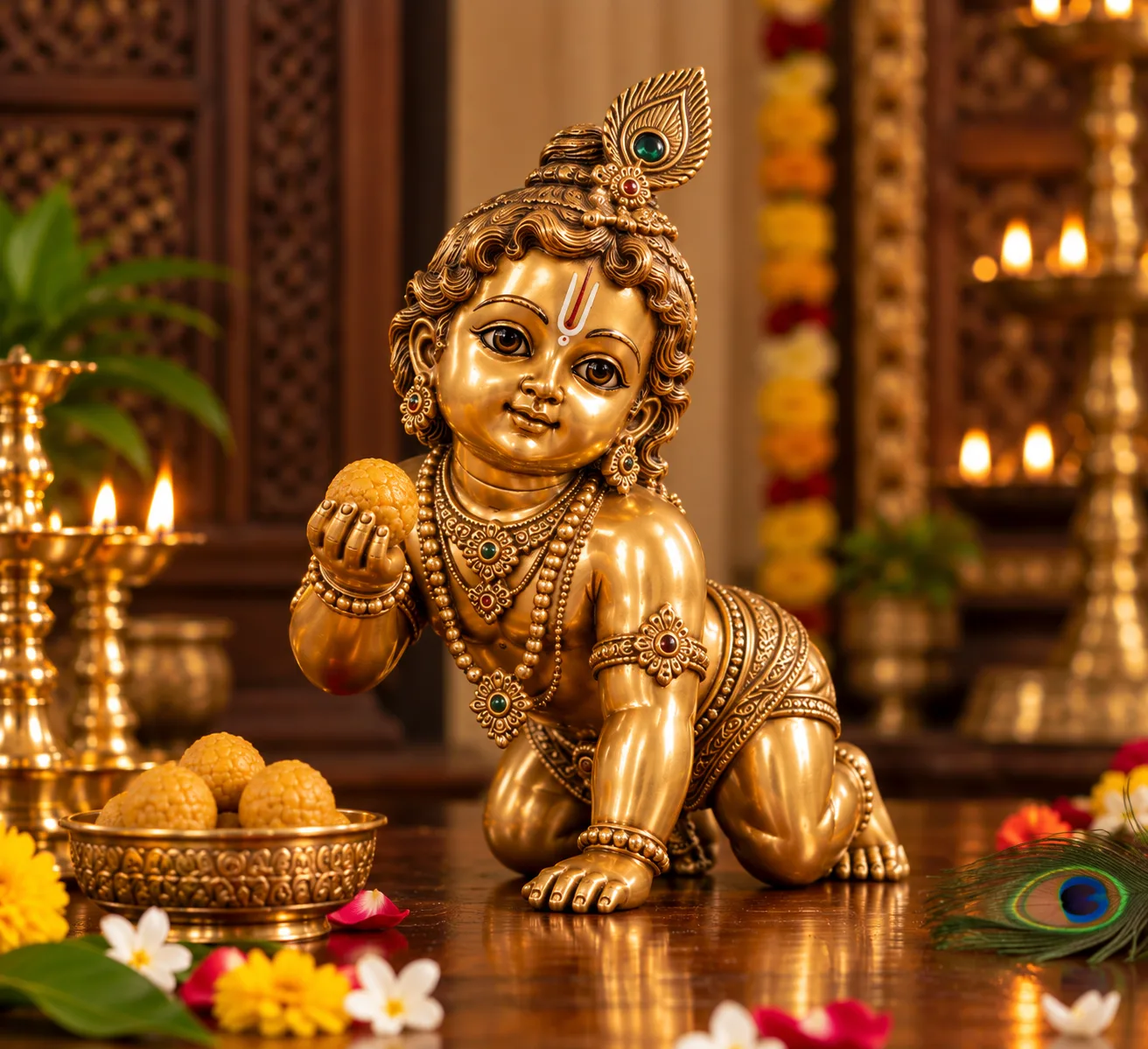
- A murti or picture of Vishnu, Krishna or Laddu GopalBrass Laddu Gopal →
- Tulsi leavesPicked the day before; tulsi is not plucked on Ekadashi
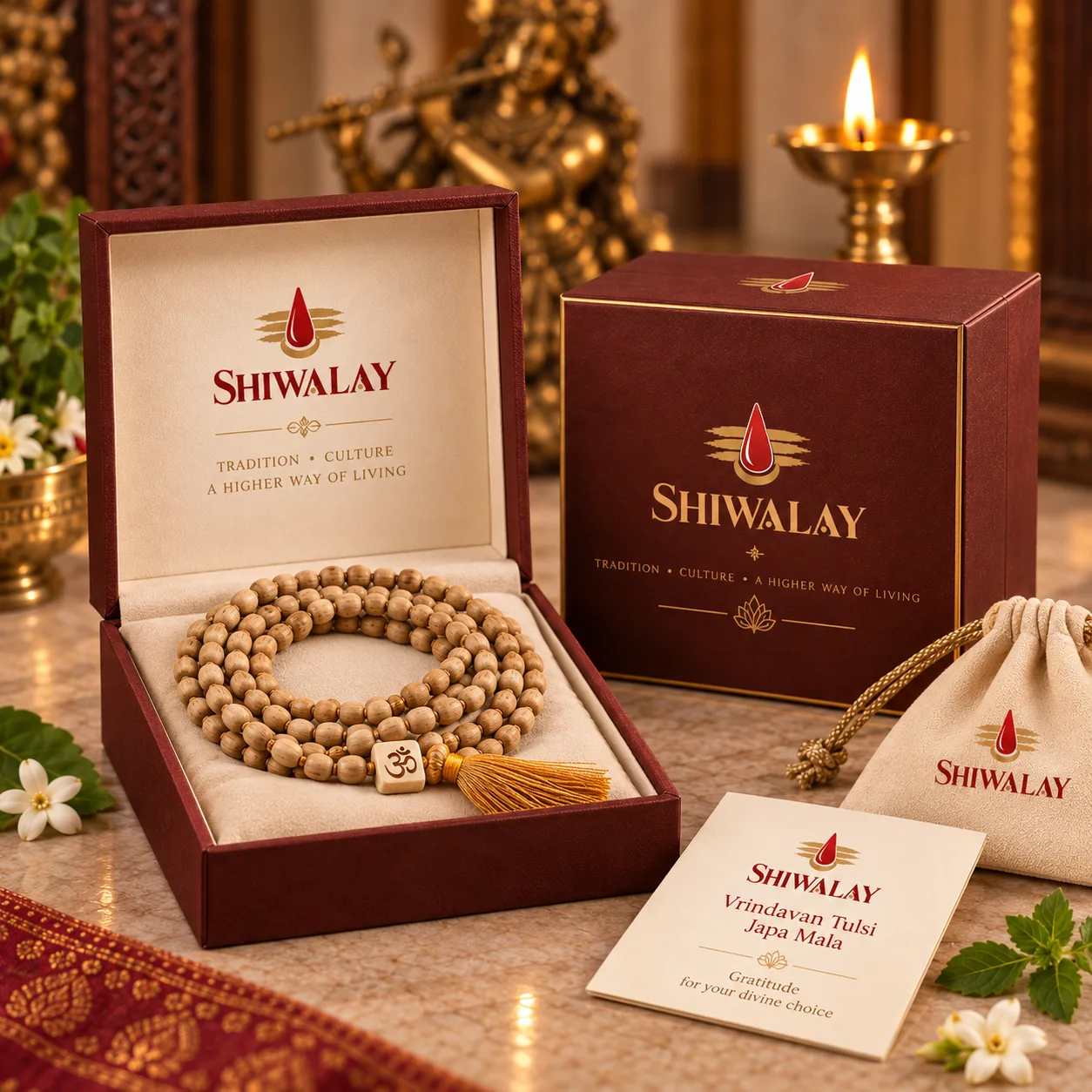
- Tulsi mala for japaVrindavan Tulsi Japa Mala →
- GangajalKashi Gangajal, Sealed Copper Flask →
- PanchamritMilk, curd, ghee, honey, sugar
- Yellow cloth and yellow flowersVishnu's colour; marigold or champaPuja Cloth Set →
- Chandan, kumkum, haldi, akshatAshtagandha Tilak Set →
- Diya and gheeBrass Diya →
- Agarbatti, dhoopMysore Sandalwood Agarbatti →
- Fruits, dry fruit, milk sweetsFor the naivedya and for the phalahar
- The Ekadashi katha for the dayEach of the twenty-four has its own storyVrat Katha Sangrah →
- Vishnu Sahasranama or the Ekadashi stotraWhichever will be readVishnu Sahasranama →
What is eaten and what is not
Not eaten: all grains (rice, wheat, millets, oats, corn), all lentils and beans, and anything made from them, including flours, bread, dosa and idli. Also avoided: onion, garlic, mushrooms, non-vegetarian food, alcohol, and ordinary iodised salt.
Eaten (phalahar): fruit, milk, curd, paneer, ghee, nuts, potatoes, sweet potato, sabudana, kuttu and singhara flour, samak (barnyard millet, which is treated as a non-grain in most traditions), coconut, sendha namak (rock salt), sugar and jaggery, and tea or coffee.
Three levels of observance are all considered Ekadashi vrats: nirjala, without food or water (kept by the strict and on Nirjala Ekadashi in June); phalahar, on fruit and milk, the common household fast; and a single sattvic meal without grain in the evening, for those who work, are unwell, or are elderly. Choose one in the morning and keep it.
The day before (Dashami)
Eat one sattvic meal, without onion and garlic, before sunset. Pluck the tulsi leaves needed for the puja, since tulsi is left untouched on Ekadashi. Keep the mind quiet in the evening; the vrat is understood to begin here.
Ekadashi morning: the puja
- 1
Bathe and resolve
After bathing, with water in the right palm, state the sankalp: that you keep today's Ekadashi vrat for Vishnu's grace and the welfare of the family, and will break it on Dwadashi in the proper time.
- 2
Set the altar
Vishnu or Krishna on a yellow cloth. A diya lit, agarbatti burning, the kalash with Gangajal beside.
- 3
Abhishek
For a metal murti: panchamrit, then clean water, then wipe and dress. For a picture: sprinkle water with a flower.
- 4
Offer
Chandan tilak, yellow flowers, tulsi leaves on the feet (never on Shiva or the Devi, always on Vishnu). Naivedya of fruit and a milk sweet, with a tulsi leaf placed on it.
- 5
Read
The day's Ekadashi katha, then the Vishnu Sahasranama or a shorter stotra. A round of japa on the tulsi mala: Om Namo Bhagavate Vasudevaya, 108 times.
- 6
Aarti
The Vishnu aarti (Om Jai Jagdish Hare). Prasad taken as part of the phalahar.
Through the day and the night
The day is spent lightly: no heavy work if it can be helped, no anger, no unnecessary talk. Reading, japa, and kirtan are the traditional occupations. Sleeping in the day is discouraged.
Jaagran, the night vigil with bhajans, is kept by the devout and on the major Ekadashis. Most households do an evening aarti and go to bed; the vrat is not diminished.
Dwadashi: parana
- 7
Check the time
The parana window is given in the panchang and in the WhatsApp message: after sunrise, before the Dwadashi tithi ends, and not during the Hari Vasara (the first quarter of Dwadashi). It is usually mid-morning.
- 8
Puja first
A short morning puja: diya, flower, a prayer of thanks.
- 9
Break the fast
With water, then a tulsi leaf, then a little of yesterday's prasad, then a proper meal that includes grain: rice or roti. Eating grain is part of the parana; a fast broken on fruit alone is not considered closed.
- 10
Feed someone
A meal given to a guest, a Brahmin, or someone in need on Dwadashi is the traditional close of the vrat.
Dev Uthani Ekadashi and Tulsi Vivah
On 20 November 2026 Vishnu is woken from the Chaturmas sleep with conch, bell and song at the altar in the evening, and the tulsi plant is married to a shaligram or to Krishna's murti, with a small mandap of sugarcane, a red chunri for the plant, and the wedding rites in miniature. Weddings and housewarmings that paused for four months resume from this day. A separate guide covers the full Tulsi Vivah.
What usually goes wrong
- Breaking the fast late because the morning was busy. The parana window is the one fixed rule of Ekadashi; miss it and the vrat is counted as incomplete.
- Eating sabudana khichdi with ordinary salt. Use sendha namak; ordinary salt is a grain-day ingredient.
- Plucking tulsi on Ekadashi. Pick it the day before.
- A nirjala fast kept by someone with diabetes or on medication. Phalahar with medicine is the vrat for them, and is complete.
- Skipping the grain on Dwadashi. The parana meal includes rice or roti by design.
Quick answers
Can I drink water on Ekadashi?
Yes, in the phalahar fast, which is what most households keep. Only the nirjala form excludes water, and that form is meant for the fully able and mainly for Nirjala Ekadashi in June. Tea, coffee and milk are also taken in the phalahar fast.
Why are grains and beans not eaten on Ekadashi?
The Puranic explanation is that the sin of the world takes refuge in grain on that day. The practical one, held for centuries, is that a monthly day without grain rests the digestion and keeps the mind light for prayer. Both are given in the tradition; the rule is the same.
Is samak rice allowed on Ekadashi?
Samak (barnyard millet) is treated as a vrat food in most north Indian traditions and is widely eaten on Ekadashi, though some strict Vaishnav lines avoid it. Follow your family's practice; if unsure, fruit, milk, sabudana and potato are accepted everywhere.
What is the parana time and why does it matter?
Parana is the breaking of the fast on Dwadashi morning, done after sunrise and before the Dwadashi tithi ends, avoiding the first quarter of the tithi. The panchang prints the window each fortnight, usually an hour or two in mid-morning. The tradition holds that the merit of the fast is sealed by breaking it in time.
Which Ekadashis are the most important?
Nirjala Ekadashi in May or June, said to carry the merit of all twenty-four; Devshayani in July, when Vishnu sleeps; Dev Uthani (Prabodhini) in November, when he wakes; and Mokshada in December, the day of the Gita. A household that keeps only these four is keeping Ekadashi.
Can Ekadashi be kept during pregnancy or illness?
Yes, as a single grain-free sattvic meal with fruit and milk through the day, and with all prescribed medicines taken. The intent and the puja are the vrat; the severity of the fast is adjusted to the body. Consult the doctor where there is any doubt.
Written by the Shiwalay desk from the Puranic sources and living household practice. Customs differ by region and family; where yours differs, follow yours. Nothing here promises an outcome.
Shop the guide
What this puja needs
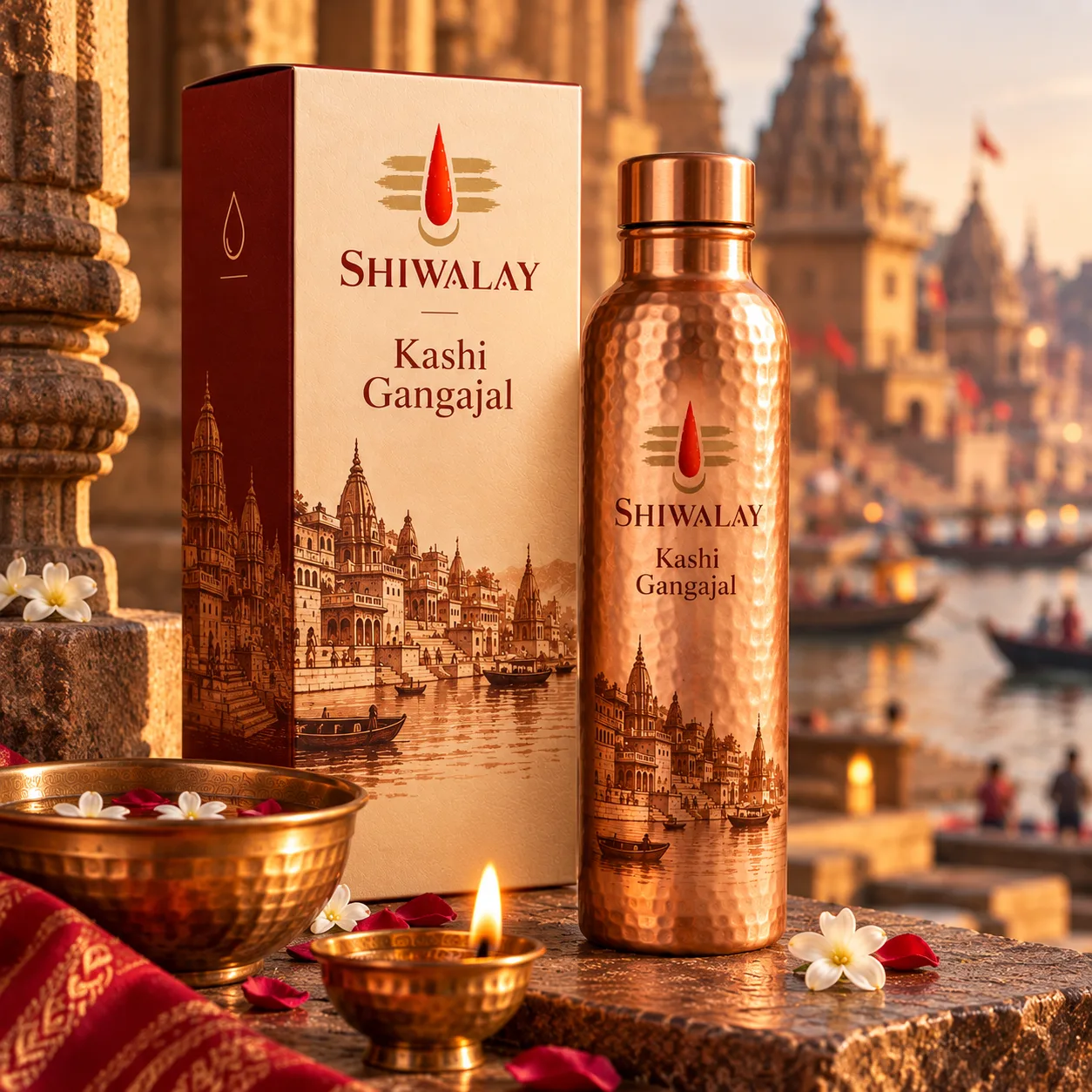
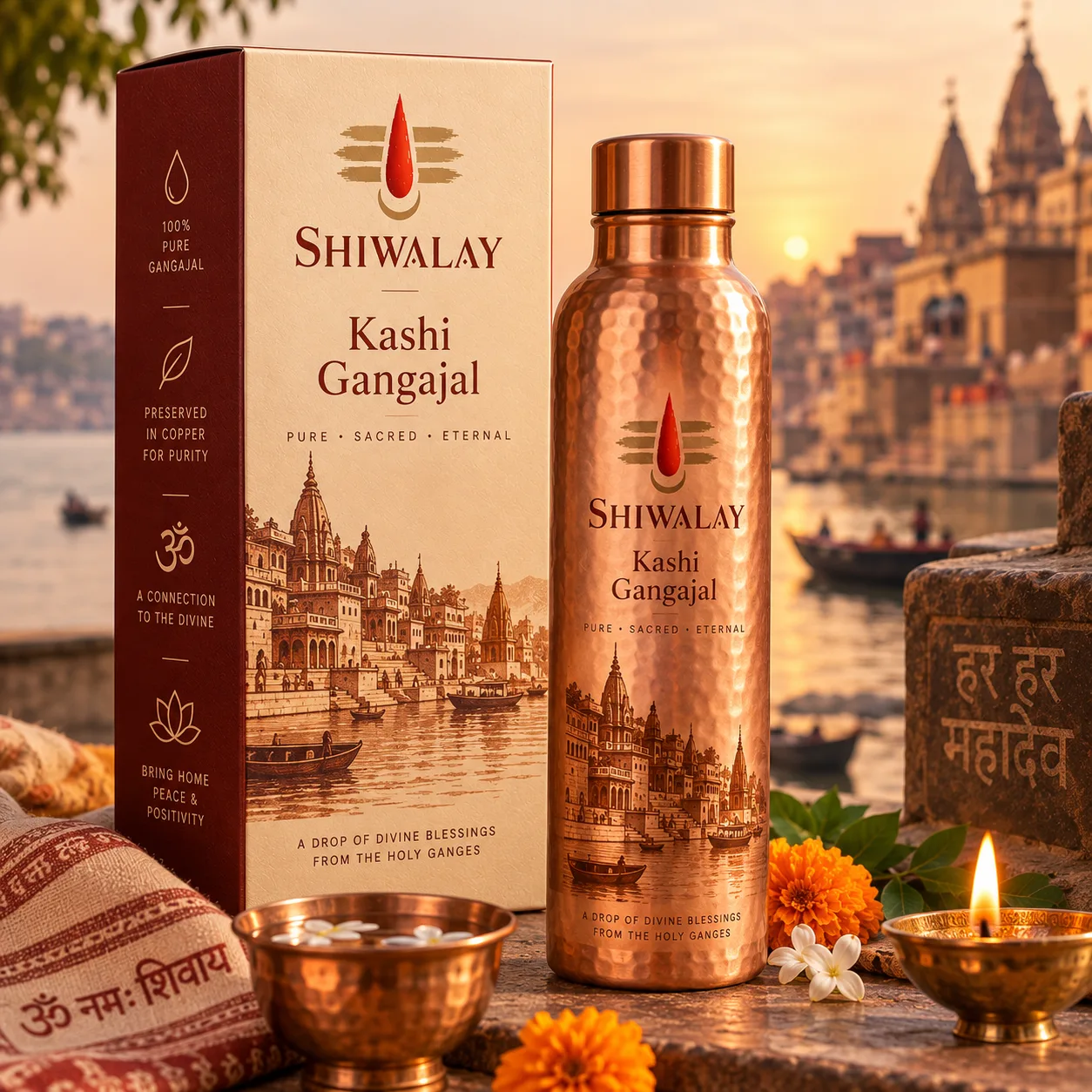
Kashi Gangajal, Sealed Copper Flask
250 ml from Dashashwamedh Ghat, in hand-beaten copper
Varanasi
Brass Diya
Solid cast brass diya, 7 cm across, 120 g
Made in Moradabad, Uttar Pradesh