

How to choose a Shivling for your home
Narmadeshwar, sphatik, parad, metal or stone: what each is, how each is worshipped, the right size for a home, where it goes, and how to look after it.
7 min readReviewed 26 September 2026
The Shiva Purana says a lingam of any sincere material may be worshipped: clay, stone, crystal, metal, even one moulded from sand for a single puja. So there is no wrong material. What the material changes is how you will worship each day, because some take a full abhishek of milk and honey and some take water only.
So decide first how you'll use it, then choose the material, then the size. This guide explains each choice, and what to keep beside the Shivling once it is home.
What to keep ready
How to choose a Shivling for your home · shiwalay.com/journal/how-to-choose-a-shivling
- The Shivling, seated in its jalhariNarmadeshwar Shivling →
- A copper lota or panchpatraCopper Lota →
- A tray beneath itBrass Aarti Thali Set →
- A bell, ideally with NandiBrass Ghanti with Nandi Handle →
- A rudraksha mala for japa5 Mukhi Rudraksha Japa Mala →
The materials, and how each is worshipped
- Narmadeshwar (bana lingam): a stone shaped by the Narmada river, egg-shaped, often marked with natural lines. It is considered self-manifest, so it needs no installation rite. It takes a full abhishek. This is the most common choice for a home.
- Sphatik: natural quartz crystal, clear and cool. It is kept for a quiet, meditative practice and bathed with water only, because milk and honey dull the polish.
- Parad: an alloy of mercury, solidified. Held in high regard by the rasa texts. Bathed with water only; that water is never drunk or served. Keep it away from gold and silver, and from small children.
- Metal: brass or ashtadhatu, the eight-metal alloy. Durable, easy to care for, and it takes every offering.
- Stone: black stone or marble, the classic temple material. Heavy, and it takes a full abhishek.
- Gemstone Shivlings, in jade, tiger's eye or rose quartz, are kept for water abhishek like sphatik.
The right size for a home
Tradition keeps the home Shivling small: from the size of your thumb to about four inches tall. Larger lingams belong in temples, where a priest attends them every day. Keep one Shivling at home, not several.
Where it goes
- In the puja room, or the north-east of the home. Not in a bedroom.
- Seated in its jalhari with the spout pointing north. You sit facing east or north for the puja.
- With Nandi, if you have him, facing the Shivling.
- On a raised chowki or shelf, with a tray beneath to catch the abhishek water.
Bringing it home
A Narmadeshwar needs no pran pratishtha. For other Shivlings, the custom at home is a simple sthapana on a Monday or a good day: bathe the Shivling with Gangajal and milk, seat it in the jalhari, offer chandan and bel leaves, and do the first aarti. If you'd like a full pran pratishtha, we can have it done at Kashi in your name and send you the video before the parcel arrives.
Looking after it
- Offer water every day if you can. A Shivling at home is not meant to be left unattended for long.
- Wipe it dry after each abhishek, so water doesn't stand in the jalhari.
- Brass and ashtadhatu darken over time; a little tamarind or lemon brings the shine back. Rinse well.
- Sphatik is washed in plain water and dried with a soft cloth. No soap or chemicals.
- If you travel, ask someone to offer water, or place the Shivling in its box with a prayer and resume when you return.
What usually goes wrong
- Buying a large Shivling for a small home altar. Keep it under about four inches.
- Milk and honey on sphatik or gemstone. Water only.
- Drinking the abhishek water from a parad Shivling. Never.
- Several Shivlings on one altar. One is the custom.
- Keeping it in a bedroom, or on the floor.
Quick answers
Which Shivling is best for home?
For most homes, a Narmadeshwar: it is formed by the river, needs no installation rite and takes a full abhishek. Choose sphatik for a quiet meditation practice with water abhishek. Whatever the material, keep it under about four inches.
Can we keep a Shivling at home?
Yes. Keep one, in the puja room or the north-east, with the jalhari spout pointing north, and offer water daily if you can.
Does a Shivling at home need pran pratishtha?
A Narmadeshwar does not; it is considered self-manifest. Others are traditionally installed with a simple sthapana at home, or a full pran pratishtha by a pandit if you wish.
How do I know a parad Shivling is genuine?
It feels unusually heavy for its size, is silver-grey rather than mirror-bright, and leaves no black mark on a white cloth. The real proof is a metal assay stating the mercury content, and ours comes with one.
What should I keep with the Shivling?
A jalhari, a copper lota for the water, a tray beneath, Nandi facing it, a bell, and a rudraksha mala for japa. Bel leaves, chandan and bhasma for the offerings.
Written by the Shiwalay desk from the Puranic sources and living household practice. Customs differ by region and family; where yours differs, follow yours. Nothing here promises an outcome.
Shop the guide
What this puja needs
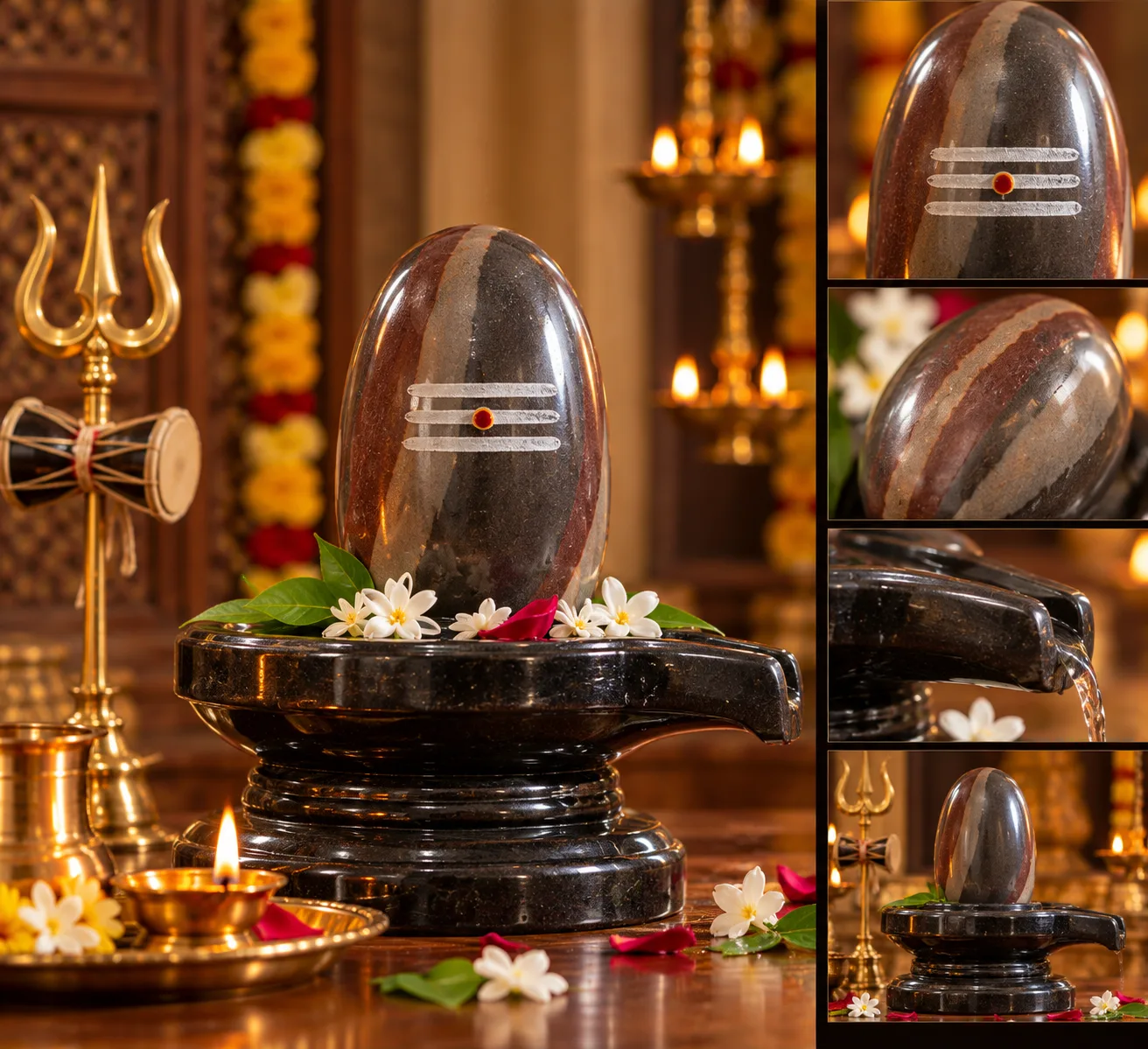
Narmadeshwar Shivling
Natural Narmada banalinga with brass jalhari and copper naag
Bakawan, Madhya Pradesh
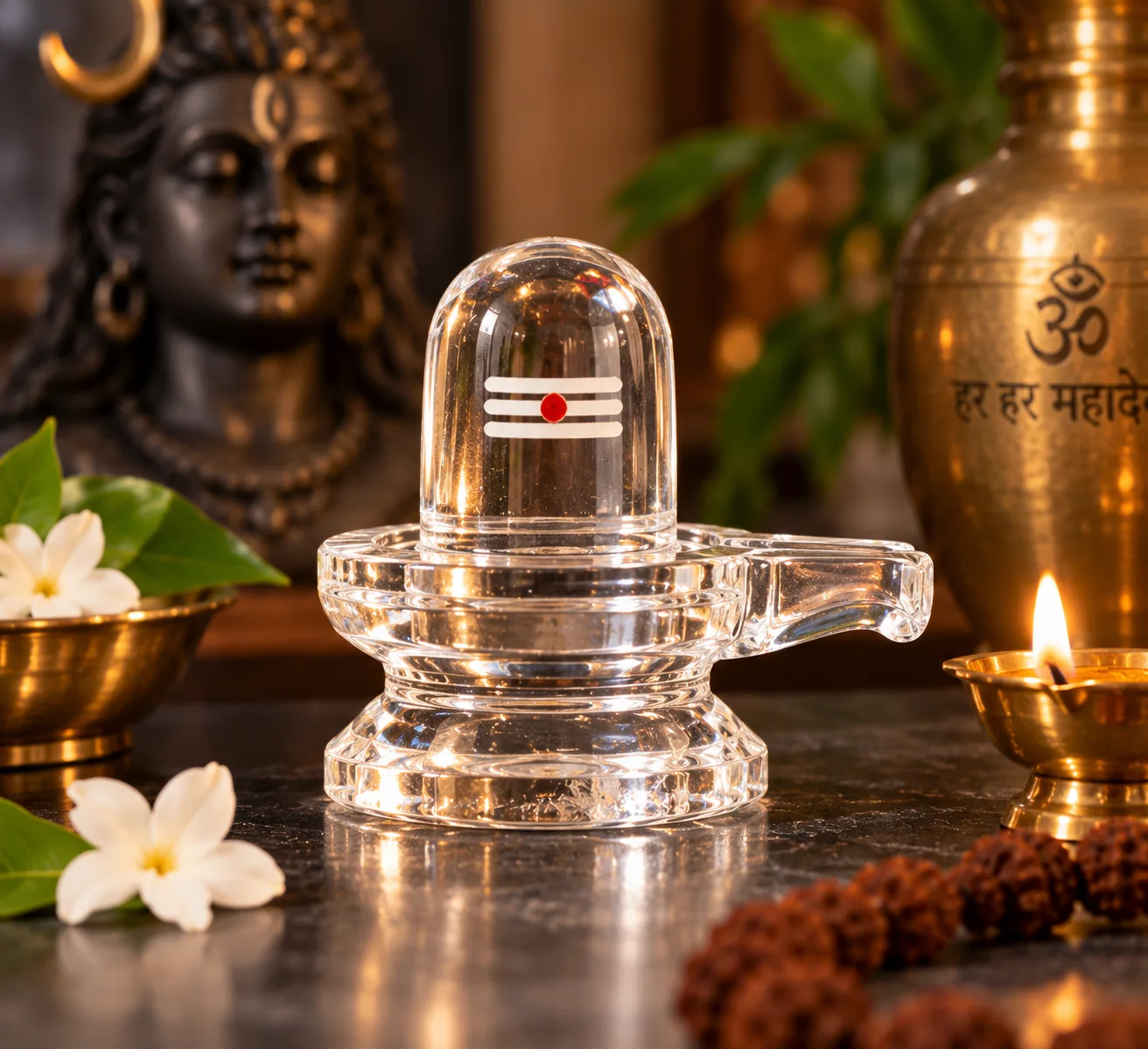

Ashtadhatu Shivling
Eight-metal ashtadhatu Shivling with jalhari, 3 inches, 620 g
Cast in Aligarh, Uttar Pradesh

Parad Shivling
Parad Shivling (Rasalingam), 100 g, with metal assay report
Made in Haridwar, Uttarakhand