

Solah Somvar Vrat 2026: When to Start, Puja Vidhi & Udyapan
The sixteen-Monday vow to Shiva: when to begin (any Monday; many start in Shravan), what to eat, the puja and katha each Monday, what to do if you miss one, and the udyapan on the seventeenth.
8 min readReviewed 14 October 2026
You can begin the Solah Somvar vrat on any Monday in 2026: take the sankalp that morning and keep sixteen Mondays in a row. The most popular start is the first Shravan Monday, next on 26 July 2027. Families who observe Kharmas or Adhik Maas avoid beginning in those months. The udyapan falls on the seventeenth Monday.
Tradition also favours a Monday in the bright fortnight of any month, or the Monday after Mahashivratri, but a Monday chosen with a sankalp is enough. Each Monday is kept with a fast, the Shiva puja and the Solah Somvar katha.
The vow is kept by married couples for the family, by unmarried women who, in the katha's telling, pray for a good marriage, and by anyone who wants a fixed discipline with Shiva for four months. Nothing in it needs a temple or a pandit until the udyapan, and even that can be done at home.
When
- Count sixteen Mondays from the one you begin on. Write the dates down; the vow is in the counting as much as the fasting.
- Each Monday: bathe and do the puja in the morning, keep the fast through the day, do the evening puja at dusk, read the katha, then eat.
- Begin in Shravan if you can wait for it. If you cannot, the next Monday is a good Monday; the texts do not tie the vow to one month.
What to keep ready
Solah Somvar Vrat 2026: When to Start, Puja Vidhi & Udyapan · shiwalay.com/journal/solah-somvar-vrat-vidhi
- A Shivling on a jalhariNarmadeshwar Shivling →
- GangajalKashi Gangajal, Sealed Copper Flask →
- A lota with a spoutCopper Lota →
- Raw milk, curd, honey, ghee and sugarA spoon of each for the panchamrit; water alone is fine on a plain Monday
- Bel patra · 11 or 21 leavesShiwalay Dried Bel Patra →
- White flowers and dhaturaAs available
- White chandan and bhasmaShiwalay Vibhuti →
- Akshat and mishri
- Diya, ghee and dhoopBrass Diya →
- A rudraksha mala5 Mukhi Rudraksha Japa Mala →
- The Solah Somvar vrat kathaIn any vrat katha book; read it aloud every MondayVrat Katha Sangrah →
- Churma for the prasadWheat flour roasted in ghee with jaggery or sugar, made fresh
What the fast allows
One meal, after the evening puja, is the usual form. Through the day most people take fruit, milk, curd and water; sabudana and potato with sendha namak are allowed in the phalahar tradition. Grain, pulses, onion, garlic and ordinary salt wait until the meal, and many families keep the meal itself without grain.
If you are unwell, pregnant, or on medicine that must be taken with food, keep the puja and the katha and eat as you need to. A vow is a discipline, not a punishment; the texts allow the fast to be eased where the body asks for it.
The Monday puja
- 1
Bathe and take the sankalp
Bathe early and wear clean, preferably white clothes. With water in your right palm, say that you will keep sixteen Mondays for Shiva, from this Monday, and let the water fall. On the first Monday only, this is the beginning of the vow.
- 2
Abhishek
Pour Gangajal, then milk mixed with water, then a little of each panchamrit item, over the Shivling in a slow, thin stream, chanting Om Namah Shivaya. Rinse with clean water and wipe.
- 3
Offer
Chandan on the lingam, then bhasma, akshat, bel patra with the smooth side down, white flowers and dhatura. Light the diya and dhoop. Offer mishri or a piece of the churma.
- 4
Japa
One mala of Om Namah Shivaya on the rudraksha, 108 times, sitting facing east or north.
- 5
Katha and aarti
Read the Solah Somvar katha aloud, the same one each week. End with the Shiva aarti and a pradakshina of the altar if there is room.
- 6
Evening
At dusk, light the diya again, offer water and bel patra, say the mantra eleven times, and only then eat. If you visit a temple, the evening is the time.
The churma
The katha itself gives the prasad: wheat flour roasted slowly in ghee until it darkens and smells nutty, sweetened with jaggery or sugar, and pressed into laddus or left loose. It is made fresh, divided into three: one part offered to Shiva, one shared with family and anyone who comes, one eaten by the person keeping the vow.
Some families make it every Monday; others keep the plain fast for sixteen weeks and make it only at the udyapan. Both are kept.
If you miss a Monday
Illness, travel and a death in the family interrupt vows, and tradition has an answer for each: add a Monday at the end so the count still reaches sixteen. A Monday that falls during a period of ashaucha after a death is skipped and added later. Do not begin again from one; the sankalp stands.
Udyapan, the seventeenth Monday
- 7
Prepare
Clean the puja place, bathe, and lay out the same samagri with more of everything: fresh bel patra, flowers, fruit, and churma made with more flour than usual, traditionally a quarter kilo of flour or more.
- 8
A fuller abhishek
Do the abhishek with all the panchamrit items in turn and water between each, with the Rudra mantras if someone can recite them, or Om Namah Shivaya throughout. A Rudrabhishek at home on this day is common; the Rudrabhishek guide in the journal walks through it.
- 9
Katha, havan, aarti
Read the katha once more, with the family gathered. A small havan with ghee and the Mahamrityunjaya mantra is done where a pandit is present; it is not required.
- 10
Dana and bhojan
Feed a few people: a pandit if you have called one, or children, or anyone in need. Give what you can: cloth, grain, a little money. Distribute the churma.
- 11
Close
Thank Shiva for the sixteen Mondays, take water in your palm again and say the vow is complete. Many people keep the Monday fast loosely afterwards, by habit; that is the vow's real gift.
What usually goes wrong
- Counting loosely. Write the sixteen dates down on the first Monday.
- Offering tulsi, haldi, kumkum or ketaki to the Shivling. Bel, chandan, bhasma and white flowers are Shiva's.
- Breaking the fast before the evening puja, or after the puja without the katha.
- Using ordinary salt in the phalahar. Use sendha namak.
- Starting again from one after a missed Monday. Add one at the end instead.
- Treating the udyapan as optional and never closing the vow. The seventeenth Monday is part of it.
Quick answers
When should I start the Solah Somvar vrat?
On any Monday, with a sankalp. The first Monday of Shravan is the favourite; a Monday in the bright fortnight of any month, or the Monday after Mahashivratri, are also common. The next Shravan begins on Monday 26 July 2027. If you want to begin sooner, next Monday is a good Monday.
Can I start Solah Somvar outside Shravan?
Yes. The vow is sixteen consecutive Mondays; the texts do not tie it to a month. Shravan is favoured because it is Shiva's month, not because the vow needs it.
What do I eat on Solah Somvar?
Fruit, milk, curd and water through the day, and one meal after the evening puja and katha. Sabudana, potato and dry fruit with sendha namak are allowed. Grain, pulses, onion, garlic and ordinary salt are left out until the meal, and many leave out grain entirely.
What if I miss a Monday?
Add one at the end so the count reaches sixteen. Do not start again from one. A Monday that falls in a period of mourning is skipped and added later.
Can unmarried women keep Solah Somvar?
Yes, and the katha is largely about them: in its telling, Parvati keeps the sixteen Mondays, and unmarried women keep the vow for a good marriage. The puja is the same for everyone.
Is the udyapan necessary?
The vow is counted as complete with it, so yes, on the seventeenth Monday. It can be done at home without a pandit: a fuller abhishek, the katha, churma, and feeding a few people.
Which Shivling should I use at home?
A Narmadeshwar for a daily abhishek with milk and honey; a small ashtadhatu or brass one for a family altar; sphatik with water only for a quiet practice. Keep it under four inches. The Shiva collection has each kind with its origin stated.
What is the Solah Somvar katha?
The story read each Monday: Shiva and Parvati at the temple in Amravati, a game of chaupar, a priest who speaks falsely and is cursed, and the sixteen Mondays by which he, and later a merchant's family, are made whole. Any vrat katha book has it; read the same version each week.
Written by the Shiwalay desk from the Puranic sources and living household practice. Customs differ by region and family; where yours differs, follow yours. Nothing here promises an outcome.
Shop the guide
What this puja needs
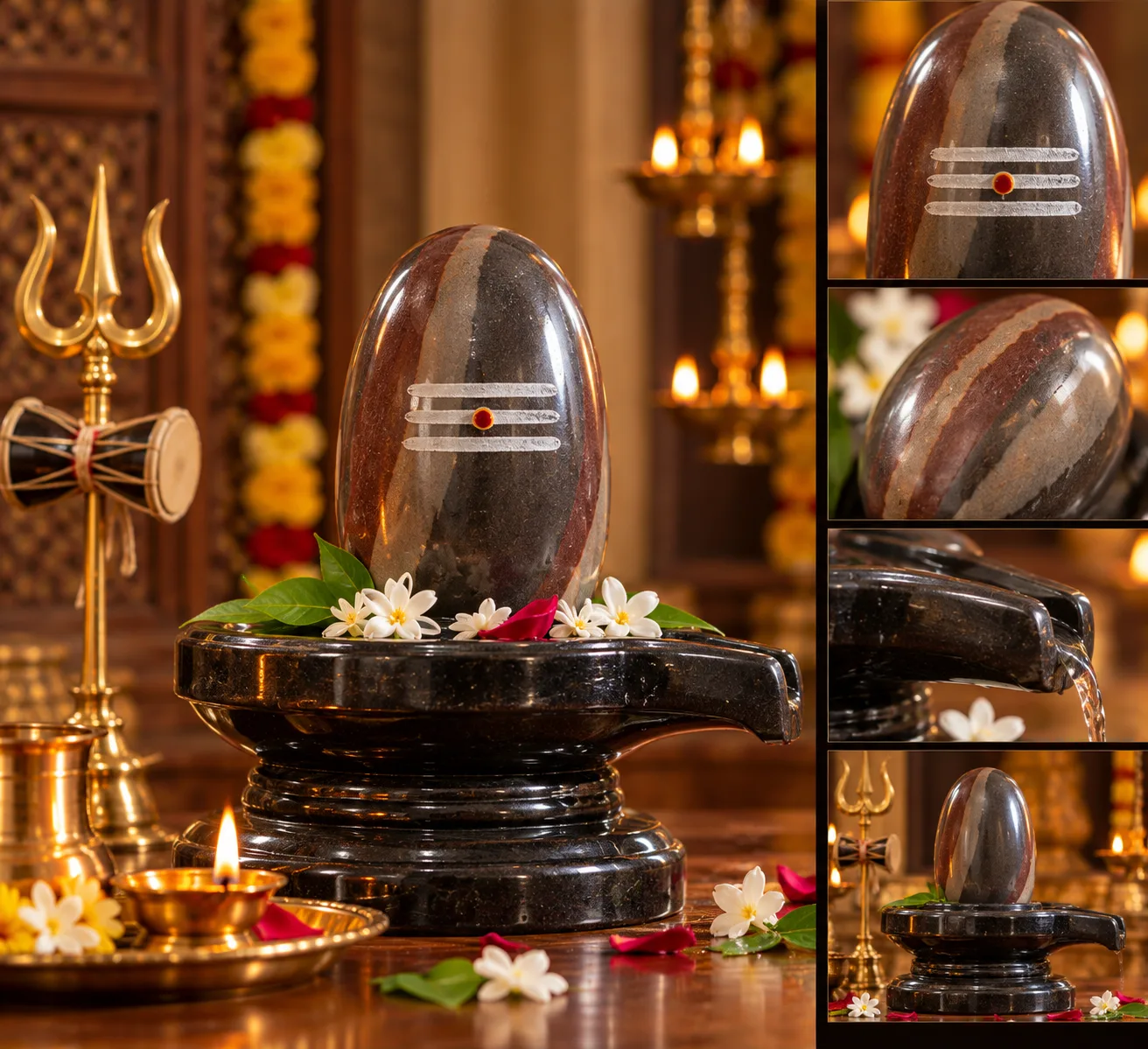
Narmadeshwar Shivling
Natural Narmada banalinga with brass jalhari and copper naag
Bakawan, Madhya Pradesh

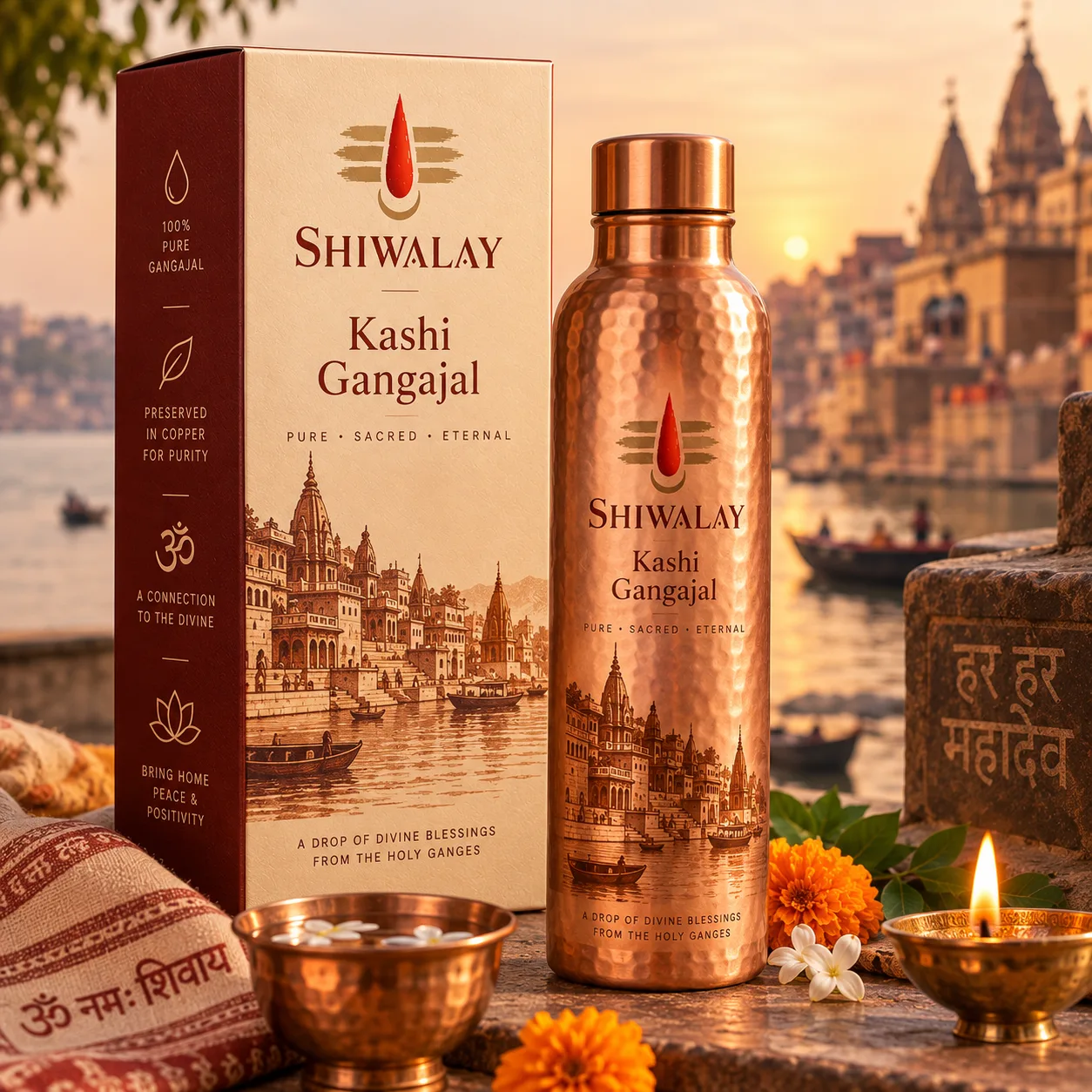
Kashi Gangajal, Sealed Copper Flask
250 ml from Dashashwamedh Ghat, in hand-beaten copper
Varanasi
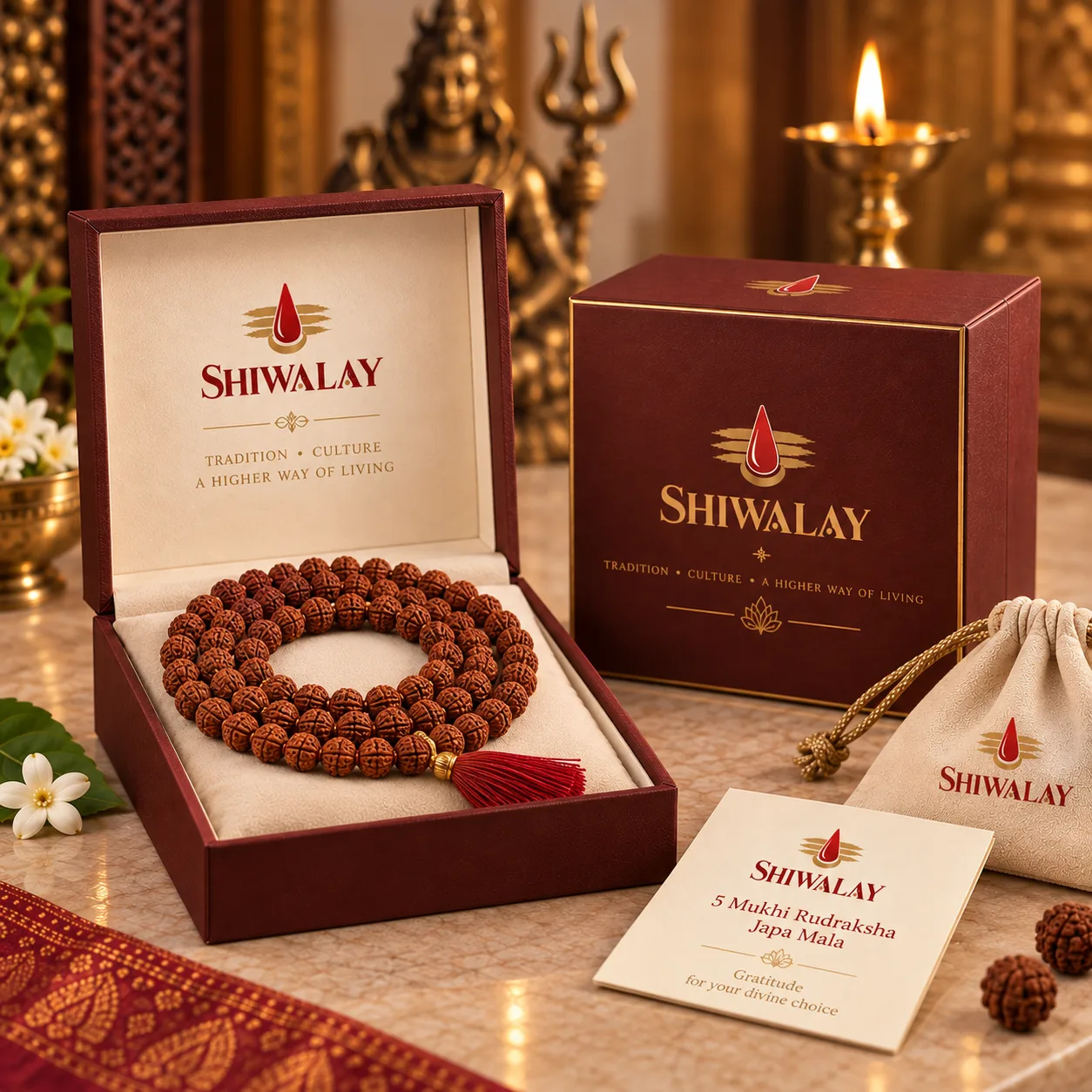
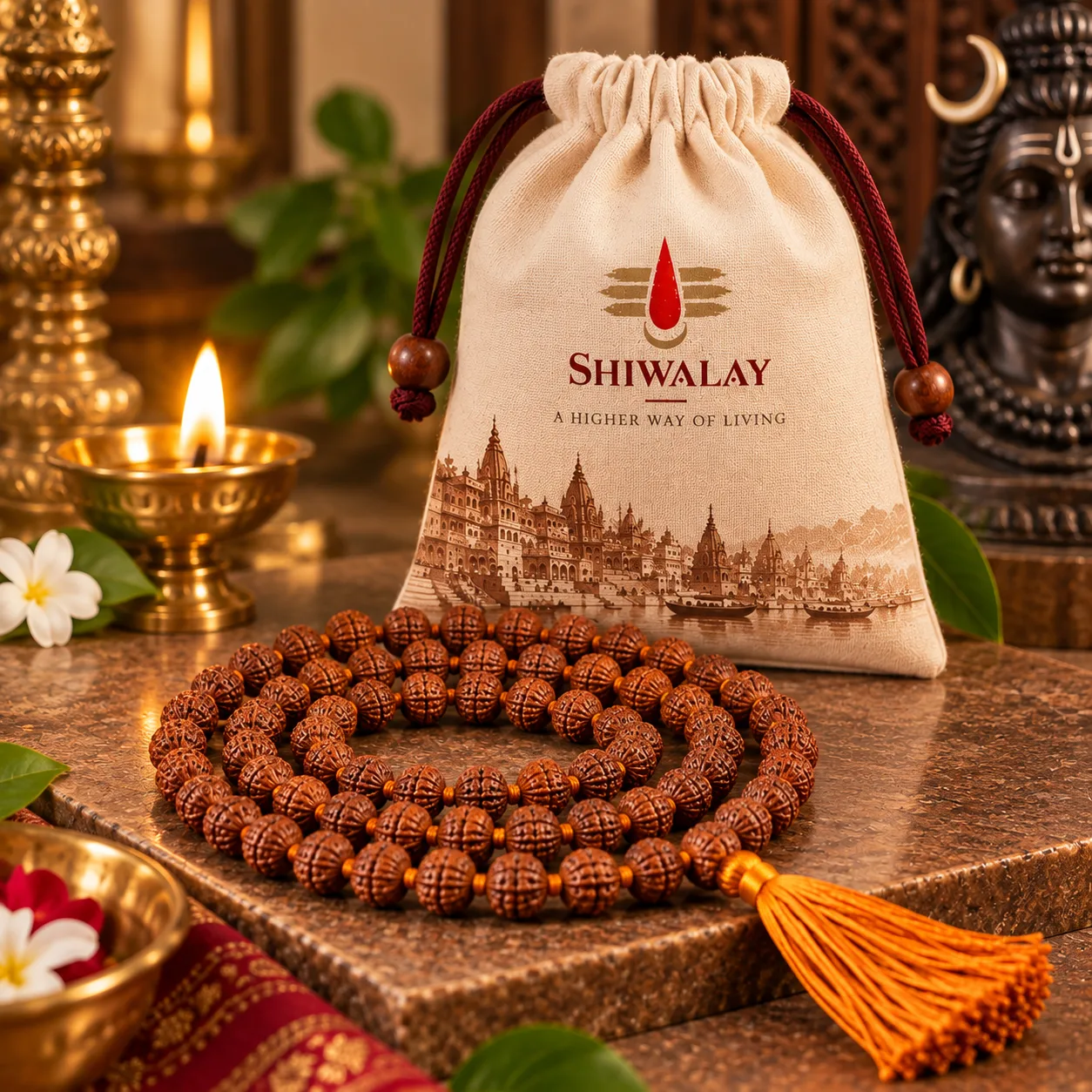
5 Mukhi Rudraksha Japa Mala
108+1 Nepal beads, 7 mm, silk-knotted
Nepal, strung in Haridwar
Shiwalay Dried Bel Patra
108 whole three-leaf bel patra, sun-dried, for Shiva puja
Sourced near Varanasi, Uttar Pradesh