

Copper
Kumkum
Photography in progress. The tile shows the material tone.
Shiwalay own brandNew
Shiwalay Kalava (Mauli)
Red and yellow cotton sacred thread, 50 m roll
No reviews yetMade in Varanasi, Uttar Pradesh
₹149/ 50 m roll
Inclusive of GST.
- 10% off (up to ₹500) on orders above ₹999, on your first order with code WELCOME10
Not taking orders right now
We're not taking orders at the moment. Browse freely; ordering reopens soon, and the waitlist will tell you when.
Tell me when ordering reopens- Also in the 7-Day Protection Ritual Kit, which saves ₹344 on the set.
- Dyed cotton thread; 40 g, size declared below
- Shiwalay own brand, made to our brief
From the Shiwalay desk
A roll lasts a household a year: for the wrist, the kalash, the doorway and the new ledger.
About this piece
Kalava, also called mauli, is the red and yellow thread tied on the wrist at the start of a puja, around the neck of the kalash, on a new account book and across a new doorway. This is a 50 m roll of cotton kalava, enough for a family's pujas through the year.
- Material
- Dyed cotton thread
- Origin
- Made in Varanasi, Uttar Pradesh
- Size
- 50 m roll
- Weight
- 40 g
Why it's traditionally used
The kalava, or mauli, is tied on the wrist when the sankalp is taken, wound around the neck of the kalash, and tied on new account books and doorways. Its red and yellow are the colours of the Devi and of auspicious beginnings.
How to use
- Tie it on the wrist at the sankalp, as your family does: commonly the right wrist for men and the left for married women.
- Wind three turns around the neck of the kalash before placing the mango leaves.
- Let an old kalava be removed on a Tuesday or Saturday and placed under a tree or in flowing water.
Care
- Keep dry and out of direct sun to preserve colour.
- Spot-clean only; do not machine wash.
- Fold or roll loosely and store with a sachet of dried neem leaves against insects.
In the box
- Kalava roll, 50 m
Quick answers
- Who makes the Shiwalay Kalava (Mauli)?
- It is a Shiwalay own-brand product made to our formulation and packaging brief by a contract manufacturer. Made in Varanasi, Uttar Pradesh.
- Why is the Shiwalay Kalava (Mauli) traditionally used?
- The kalava, or mauli, is tied on the wrist when the sankalp is taken, wound around the neck of the kalash, and tied on new account books and doorways. Its red and yellow are the colours of the Devi and of auspicious beginnings.
- How do I use the Shiwalay Kalava (Mauli)?
- Tie it on the wrist at the sankalp, as your family does: commonly the right wrist for men and the left for married women. Wind three turns around the neck of the kalash before placing the mango leaves. Let an old kalava be removed on a Tuesday or Saturday and placed under a tree or in flowing water.
- What is included with the Shiwalay Kalava (Mauli)?
- Kalava roll, 50 m.
- How big is the Shiwalay Kalava (Mauli)?
- 50 m roll; weight 40 g. Measured on the piece as shipped; handmade items vary by a few millimetres.
- How do I care for the Shiwalay Kalava (Mauli)?
- Keep dry and out of direct sun to preserve colour. Spot-clean only; do not machine wash. Fold or roll loosely and store with a sachet of dried neem leaves against insects.
- How long does delivery of the Shiwalay Kalava (Mauli) take?
- In-stock items dispatch within 24 hours and reach most Indian cities in two to five days. Shipping is free above ₹999. Replacement within 7 days of delivery.
Complete the ritual
What goes with it
Kumkum
NewShiwalay own brand
Shiwalay Kumkum
Traditional turmeric kumkum for tilak and puja, 50 g
₹199
Made in Karnataka
Ghee
NewShiwalay own brand
Shiwalay Haldi
Pure turmeric powder for puja and tilak, 100 g
₹149
Grown and ground in Sangli, Maharashtra
Reviews
No reviews yet
Bought the Shiwalay Kalava (Mauli)? Tell the next family how it arrived and how you use it.
More like this
More from Puja Essentials
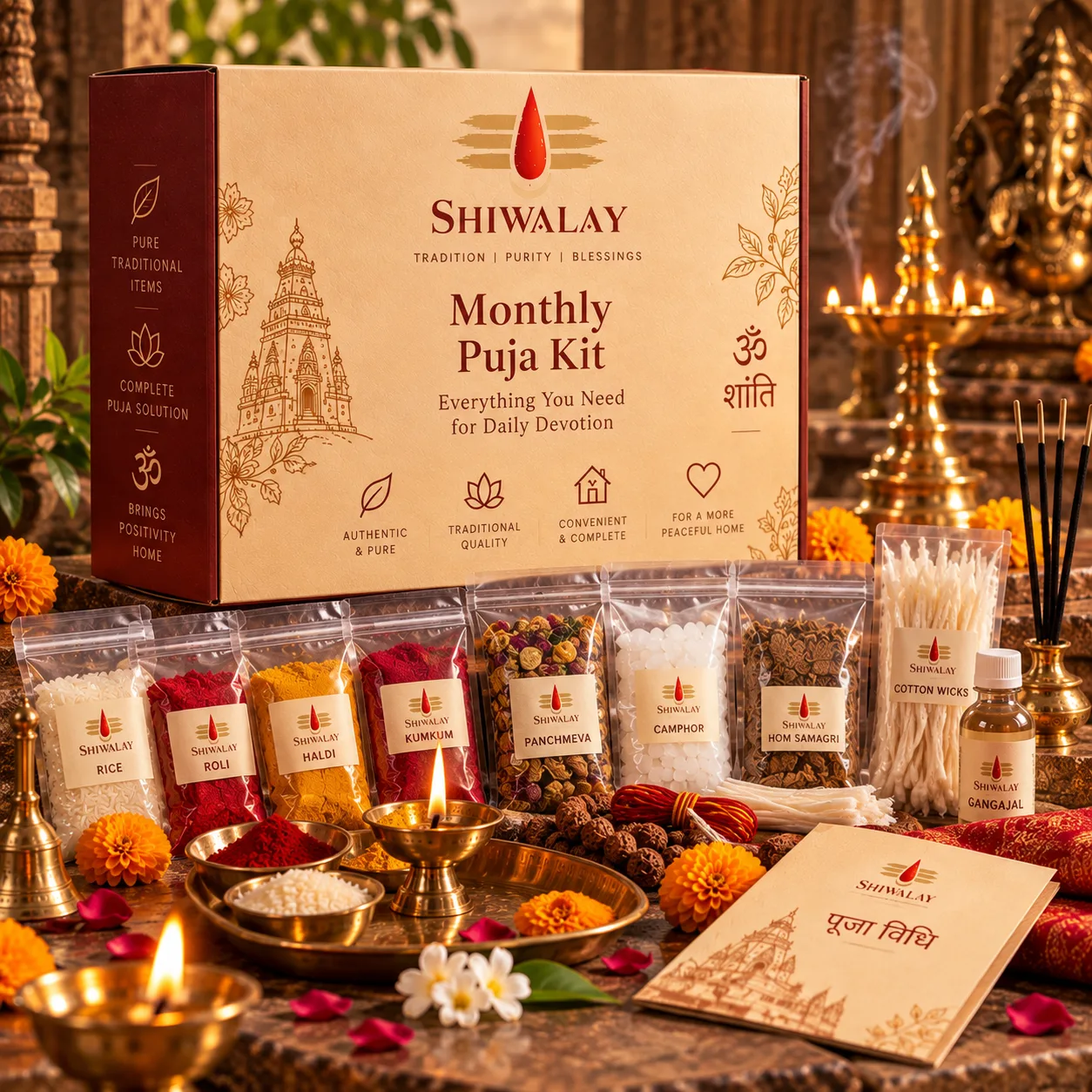
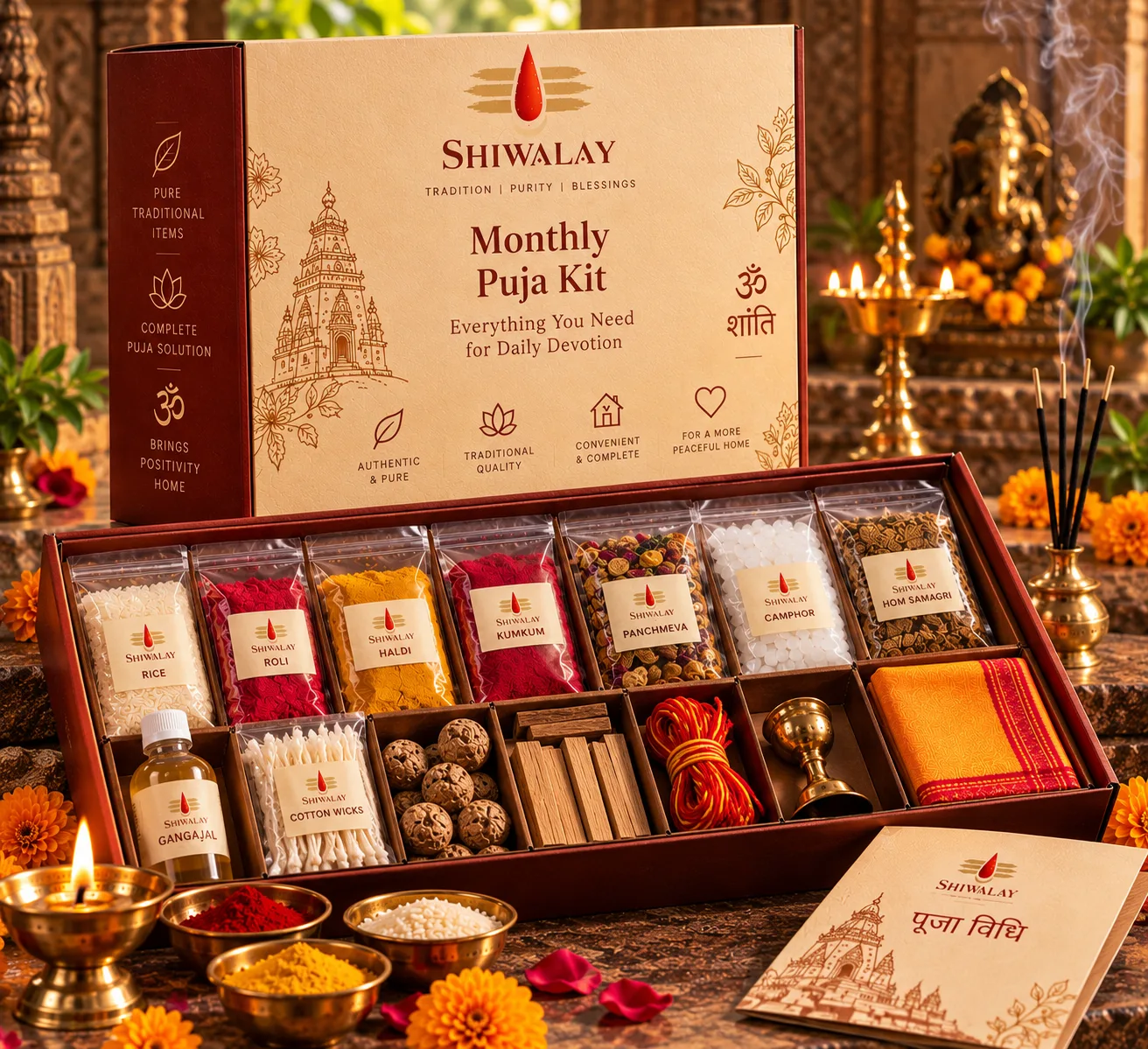
Shiwalay own brand
Daily Puja Kit
Thirty days of daily puja samagri in one tin
₹1,699₹3,099
Blended in Mysore and Kannauj
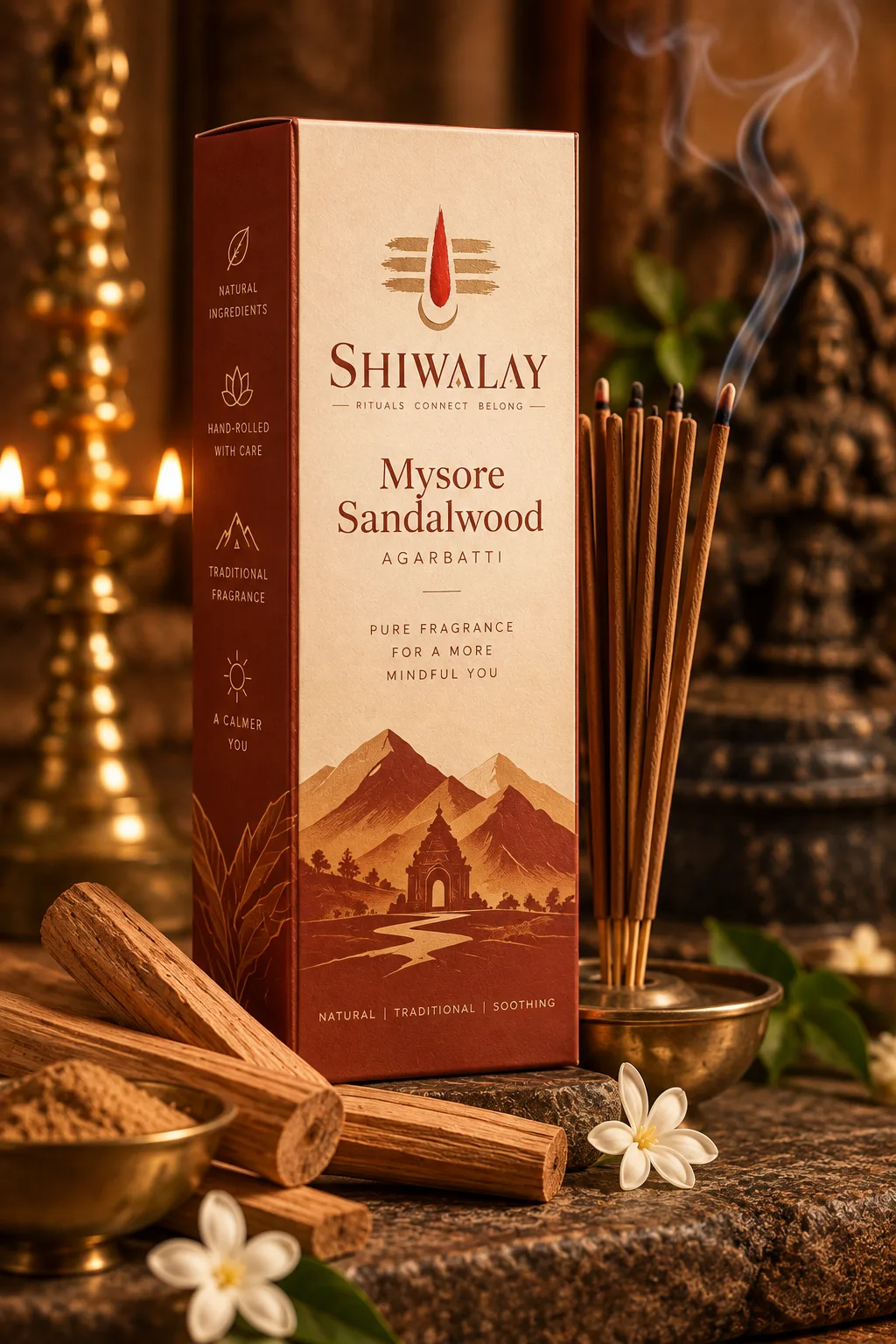
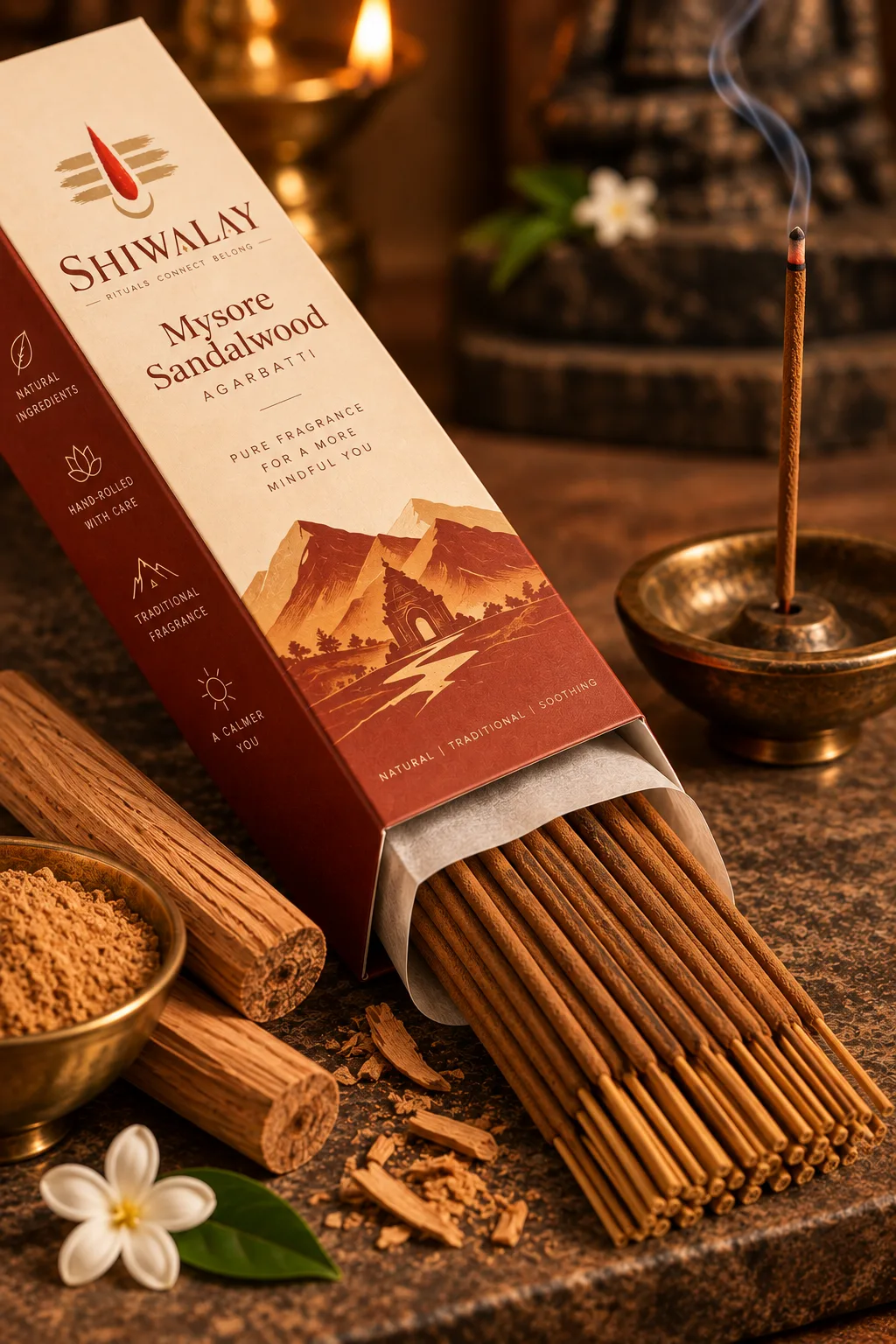
Shiwalay own brand
Mysore Sandalwood Agarbatti
60 hand-rolled masala sticks, charcoal-free, from Mysore
₹599
Rolled in Mysore
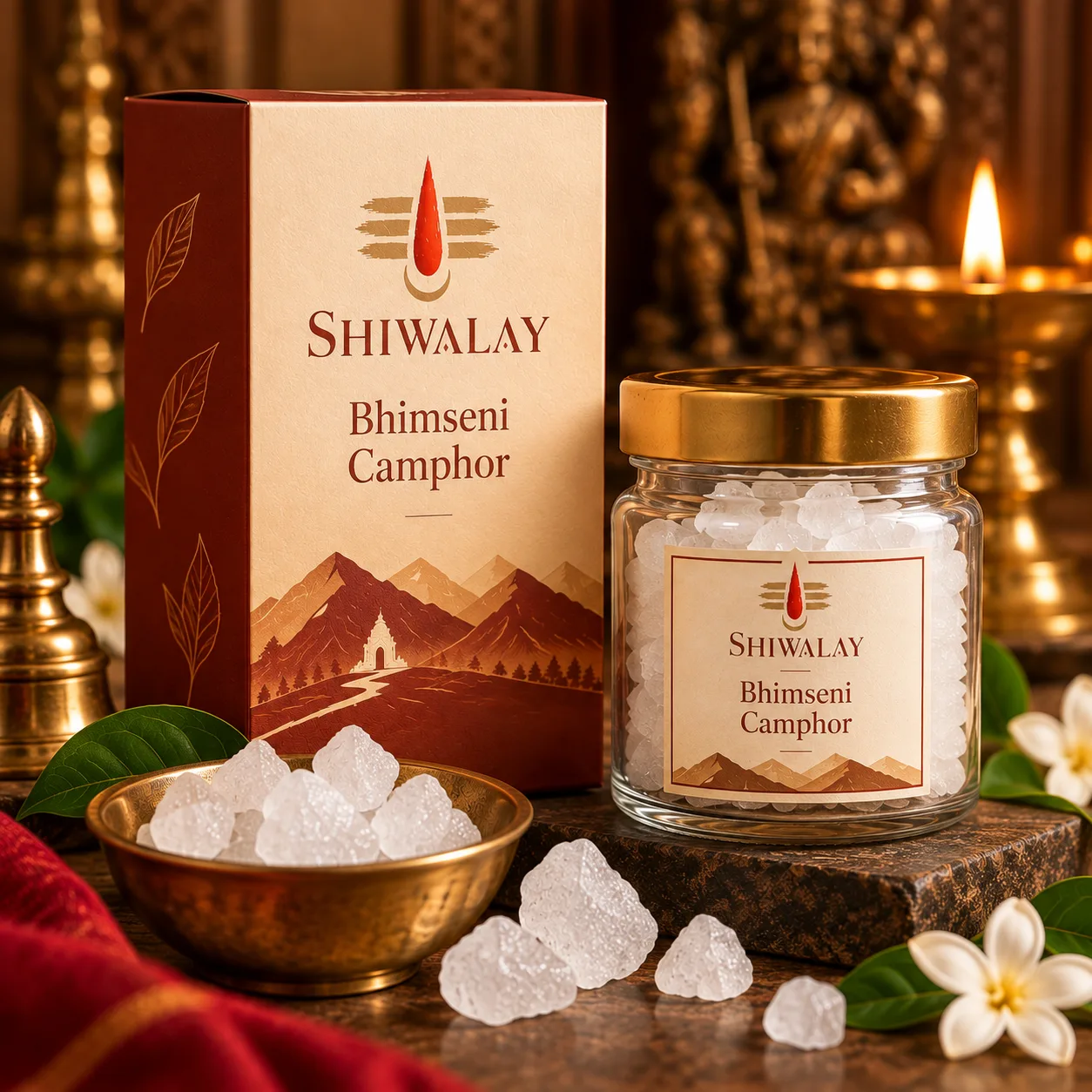
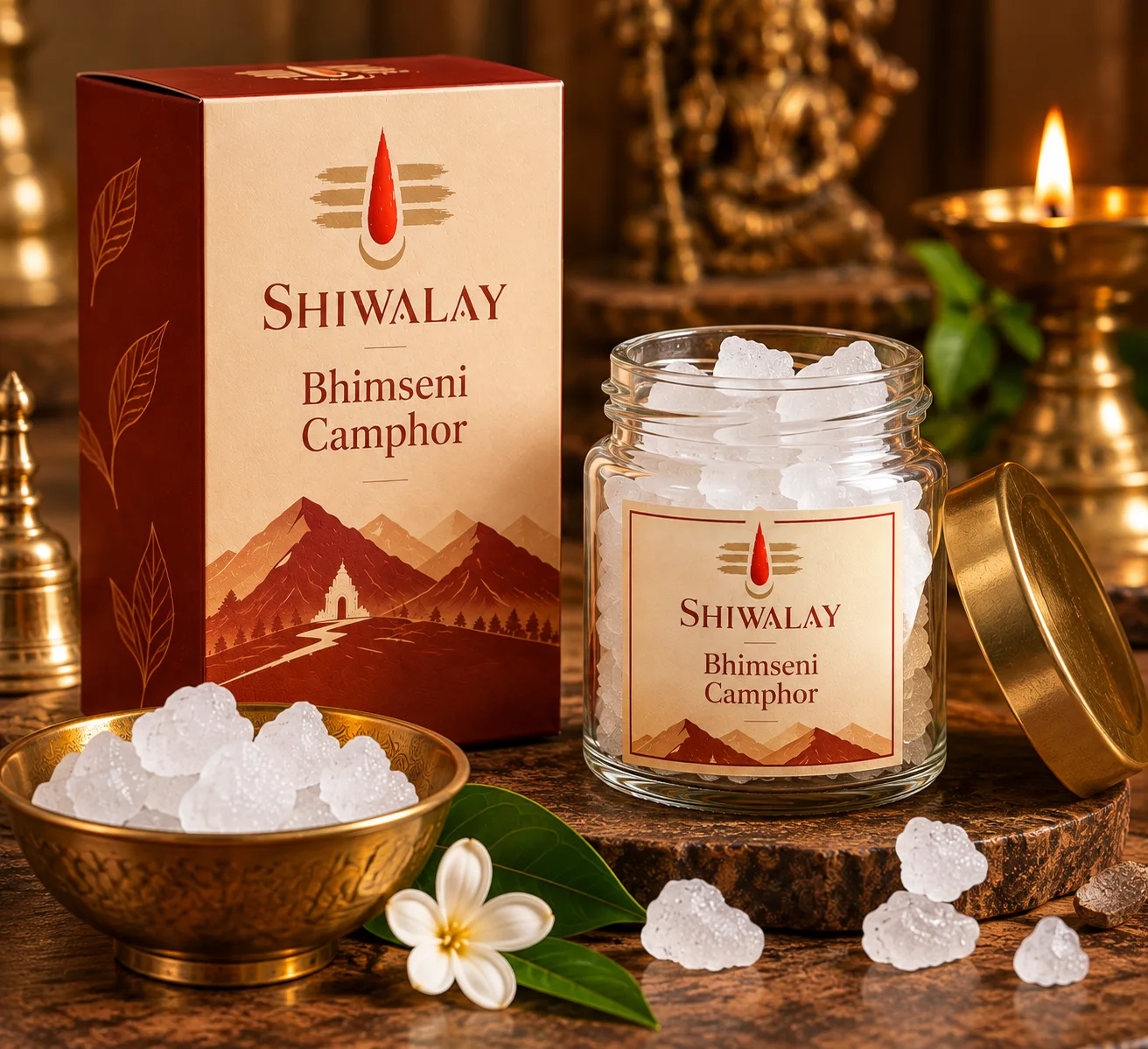
Shiwalay own brand
Bhimseni Camphor
100 g natural Bhimseni crystals in a glass jar
₹499
Sourced from Tamil Nadu
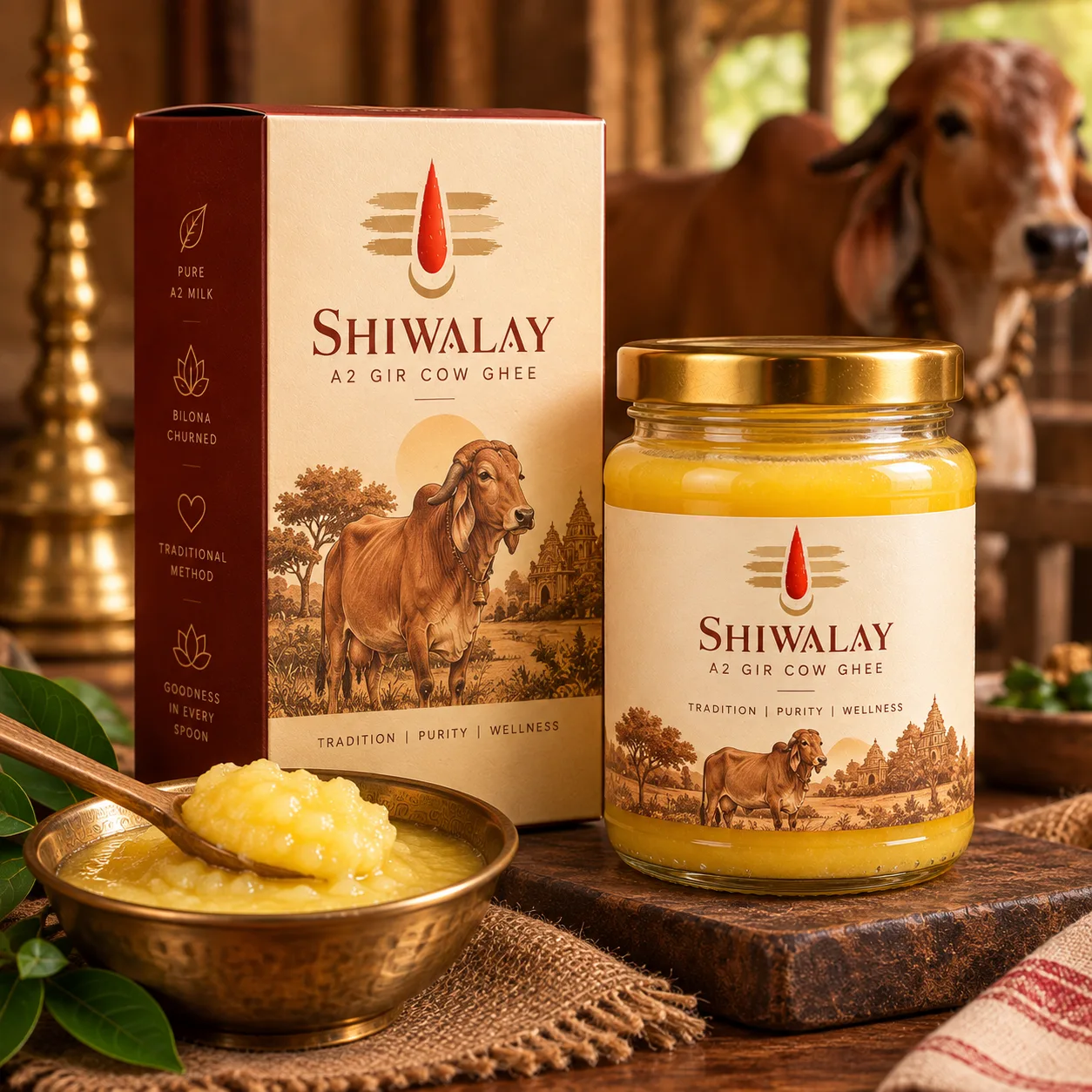
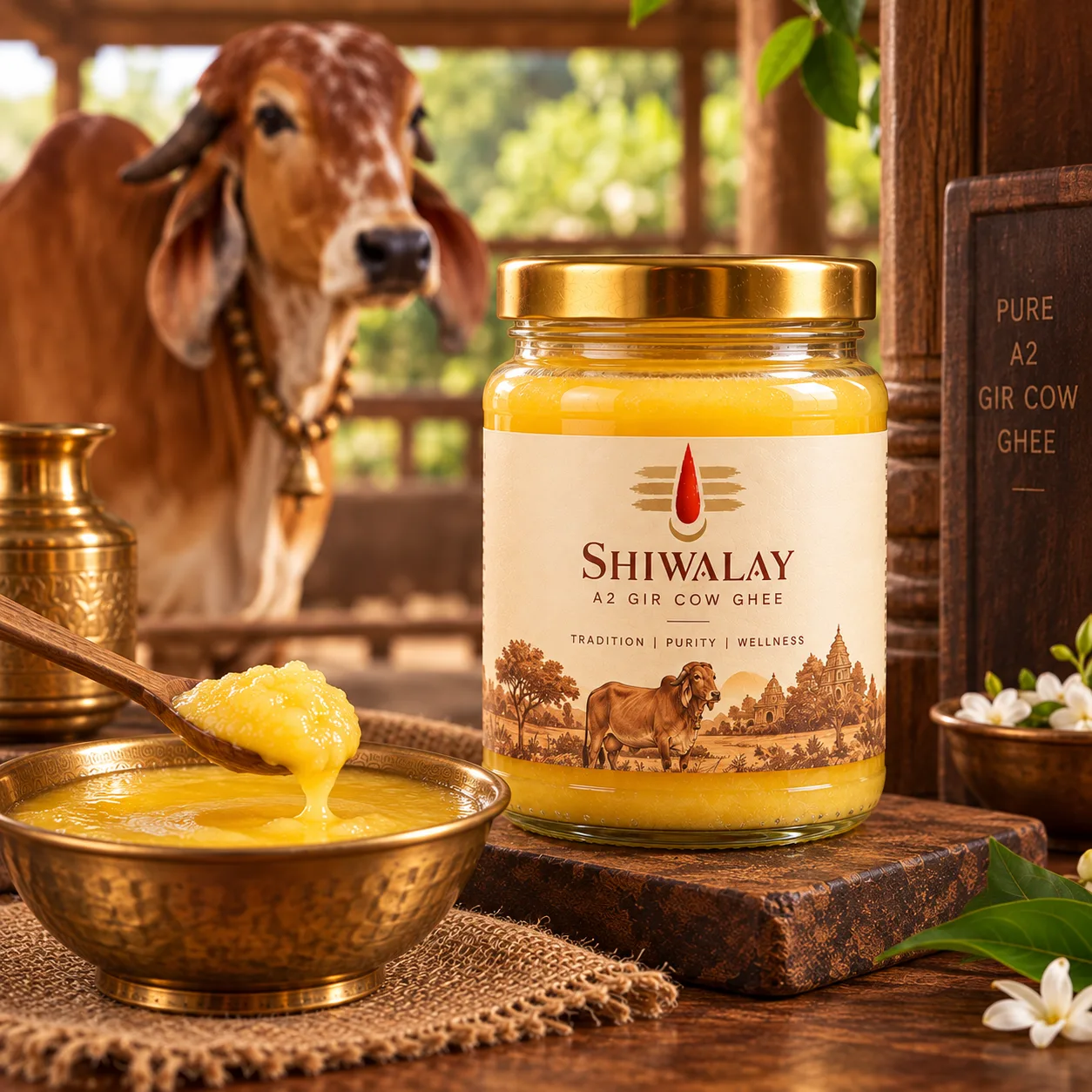
Shiwalay own brand
A2 Gir Cow Ghee, Puja Grade
Bilona-churned A2 Gir cow ghee, 500 ml jar
₹1,499
Gaushala in Saurashtra, Gujarat